The Nagula Chavithi pooja is one of the most heartfelt observances of Karthika masam, when Telugu families across Andhra Pradesh and Telangana worship the Naga Devatas (Serpent Gods) for the health and long life of their children. This guide gives you the verified 2026 date and tithi timing, a clear step-by-step pooja vidhanam, the samagri you need, and the customs to follow at home. It also corrects a few things older articles get wrong, so you can observe the day with confidence and full understanding.
Sri Vyasa Pooja is an independent devotional guide. We are not affiliated with any temple or government body, and we do not accept bookings, donations, or payments. Ritual benefits described here are shared as matters of faith and tradition, not guaranteed outcomes. For temple sevas, always use the temple’s own official portal.
Nagula Chavithi at a Glance
- Festival: Nagula Chavithi (Naga Chaturthi) — worship of Naga Devatas.
- 2026 date (India): Friday, 13 November 2026.
- Tithi: Karthika Shukla Chaturthi, the fourth day after Deepavali Amavasya.
- Mainly observed by: Married women, for their children’s wellbeing.
- Where: At home before a Naga idol, or at a Subramanya or Naga temple.
- Related festival: Nag Panchami, which falls separately in Shravana masam.
Nagula Chavithi 2026 Date and Muhurat
In 2026, Nagula Chavithi falls on Friday, 13 November for devotees in India. The festival always lands on Chaturthi, the fourth day of Shukla Paksha in Karthika masam. Because it comes soon after Deepavali, it sits about five days after Diwali each year.
The Chaturthi tithi does not begin and end at midnight, so the timing matters. According to Drik Panchang, the Chaturthi tithi begins around 6:09 PM on Thursday, 12 November 2026 and ends around 8:42 PM on Friday, 13 November 2026 (IST, approximate). Since the tithi runs through Friday morning, that is when families perform the pooja.
Muhurat windows shift by city, because they depend on your local sunrise. So confirm the exact muhurat for your town on Drik Panchang set to your location before the day. Most families finish the main worship in the morning, after an early bath and before their first meal.
Nagula Chavithi Dates Across Recent Years
The date changes every year because it follows the moon, not the English calendar. Here are the verified dates for reference. If you are checking a year not listed, confirm it on the official panchangam for your city.
| Year | Date | Weekday |
|---|---|---|
| 2024 | 5 November | Tuesday |
| 2025 | 25 October | Saturday |
| 2026 | 13 November | Friday |
Nagula Chavithi vs Nag Panchami: Clearing the Confusion
Many articles blur these two festivals, and that causes real confusion. They are related but separate. Nagula Chavithi is observed in Karthika masam (October–November), on Shukla Paksha Chaturthi, right after Diwali. Nag Panchami, by contrast, falls in Shravana masam (July–August), on Shukla Paksha Panchami.
Both days honour the Naga Devatas, so the rituals look similar. However, the Karthika observance is the one Telugu households in Andhra Pradesh and Telangana call Nagula Chavithi. Nag Panchami, by contrast, is far more prominent in North India.
Some families keep both; many keep only the one that matches their tradition. If your elders speak of “the Naga pooja after Diwali,” that is the Nagula Chavithi pooja you are looking for.
Why Nagula Chavithi Is Celebrated
Sanatana dharma treats nature itself as divine, and serpents hold a special place in that worldview. Lord Shiva wears a serpent, which earns him the name Naga Bhushana. Lord Vishnu rests on Adi Shesha, Lord Ganesha wears a snake as his sacred thread, and Lord Subramanya (Kartikeya) shares a close bond with the Nagas.
Worshipping the Naga Devatas honours this thread that runs through the tradition. At its heart, the Nagula Chavithi pooja is an act of gratitude to these serpent deities.
Married women mainly keep this vratam, praying for the health and long life of their children. Unmarried women also observe it while seeking a good marriage. In Vedic astrology, the Nagas are linked to Rahu and Ketu, so Nagula Chavithi is considered an auspicious day to ease Sarpa Dosha or Kalasarpa Dosha in a horoscope. Because these are matters of faith, treat them as tradition rather than promised results.
Nagula Chavithi Pooja Vidhanam: Step by Step
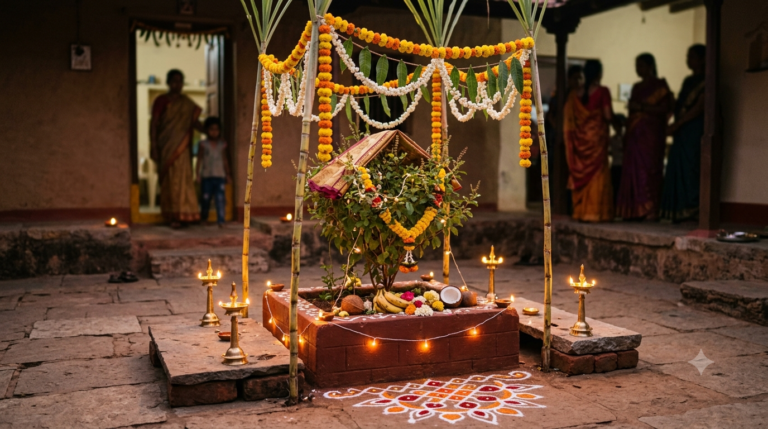
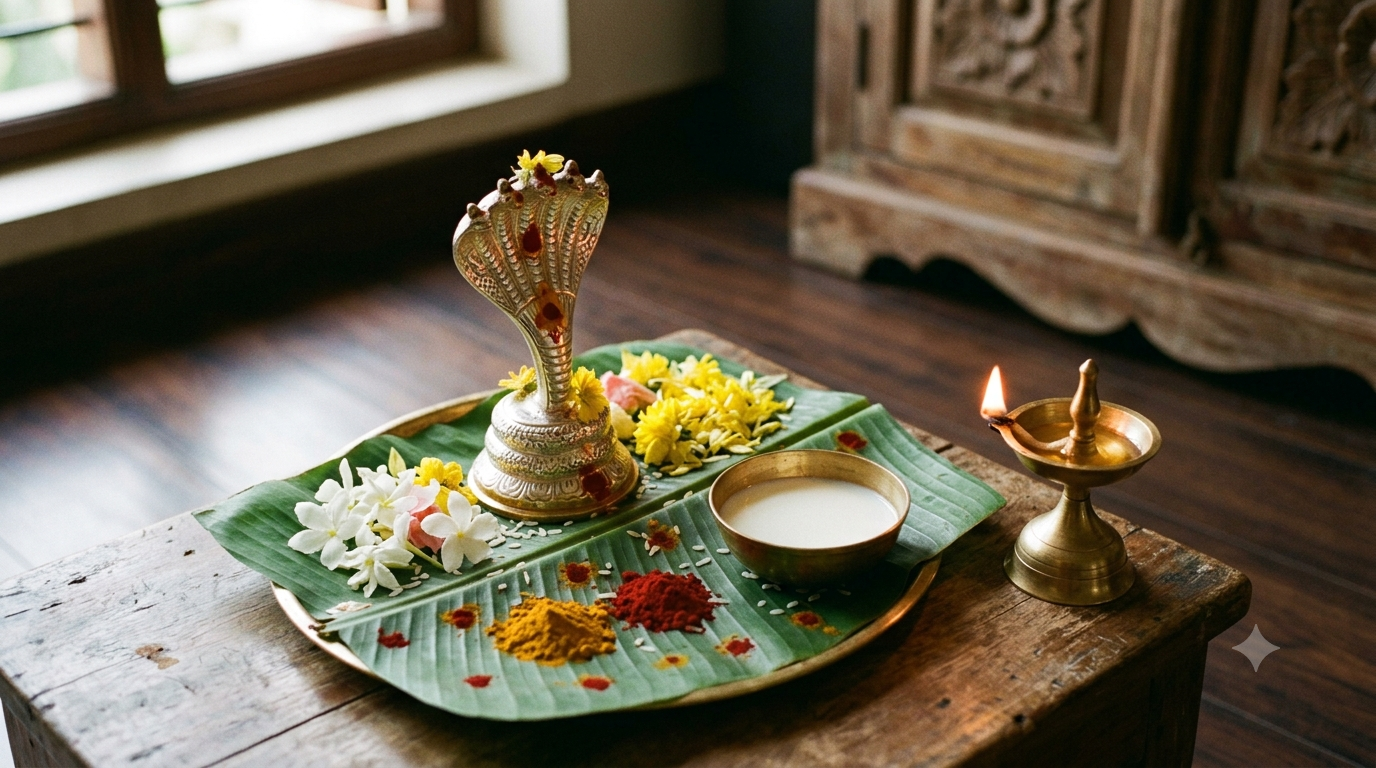
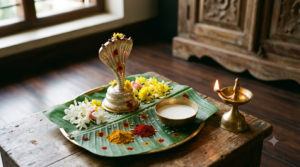
Nagula Chavithi pooja is simple enough to perform at home, yet it carries deep meaning. You can worship a metal or stone Naga idol, a framed image of the Naga Devata, or visit a nearby anthill or Naga shrine if your family follows that custom. Here is the traditional sequence, kept clear and practical.
- Prepare early: Clean the pooja area and take a bath before sunrise, since the worship is done in the morning.
- Sankalpam: Sit facing east, light the deepam, and take the sankalpam (vow) to perform the vratam.
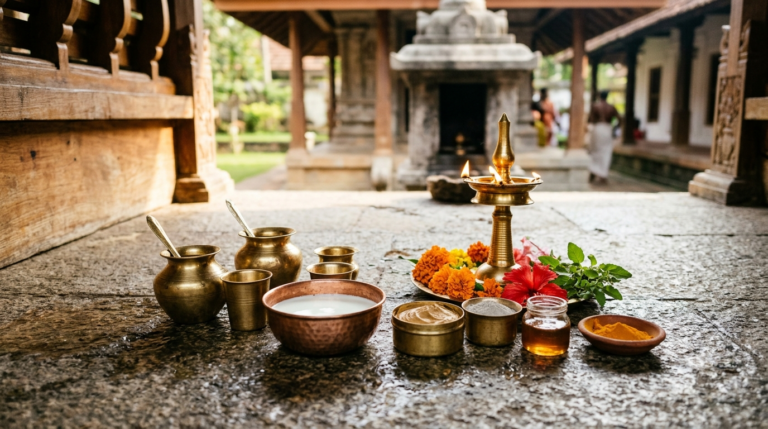
- Ksheerabhishekam: Bathe the Naga idol with cow’s milk, then with water (jalabhishekam).
- Shodashopachara puja: Offer chandanam, kumkuma, turmeric, flowers, dhupam, and deepam to the deity.
- Chant the mantras: Recite the Naga Gayatri and the names of the nine Nagas — Ananta, Vasuki, Shesha, Padmanabha, Kambala, Shankhapala, Dhritarashtra, Takshaka, and Kaliya. Then read the Nagula Chavithi vrata katha.
- Naivedyam: Offer the prepared prasadam, show aarti, and later share the prasadam with family.
Nagula Chavithi Pooja Samagri List
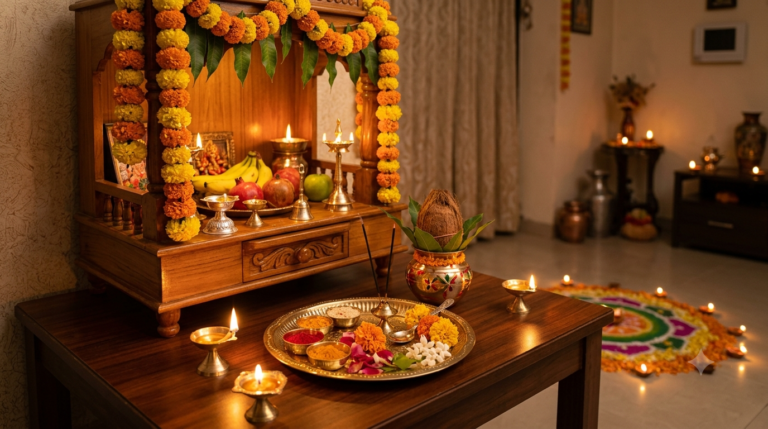
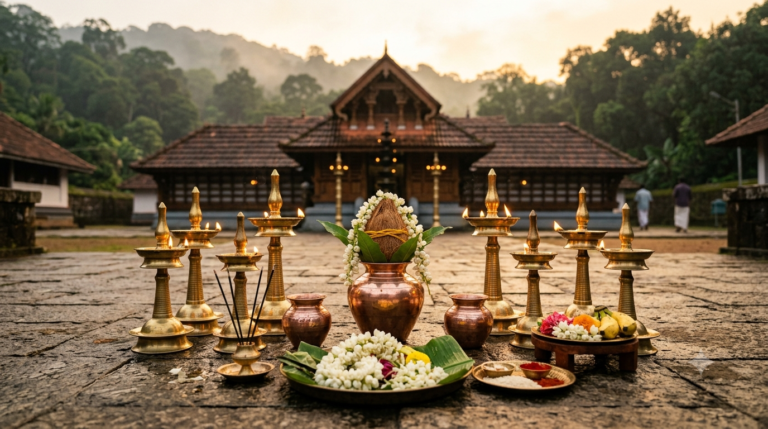
Keep the samagri ready the previous evening, so the morning stays calm and unhurried. A basic Nagula Chavithi pooja needs the following.
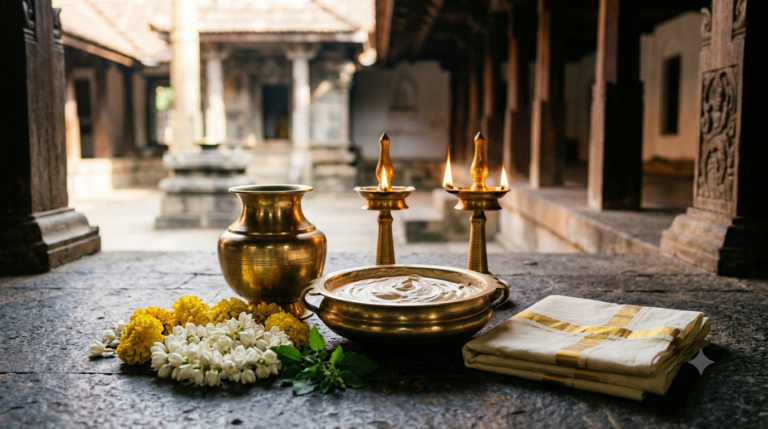
- A Naga idol or picture (silver, brass, or stone).
- Cow’s milk for abhishekam, plus clean water.
- Turmeric, kumkuma, chandanam, and akshintalu (rice grains).
- Flowers, especially white and yellow ones.
- Deepam, oil or ghee, wicks, agarbatti, and camphor.
- Naivedyam items such as chalimidi, chimmili, wet chickpeas, and fruit.
Naivedyam and Prasadam for the Day
The naivedyam is where the day’s flavour really shows. Chalimidi, a soft mix of rice flour and jaggery, is the classic offering. Chimmili, made from sesame and jaggery, is another favourite, along with soaked and seasoned chickpeas.
Many families also offer bananas, coconut, and milk. Since the day honours life, families prepare the food with care and share it generously afterwards.
Customs and What Families Traditionally Avoid
Nagula Chavithi carries a few gentle “do not” customs that are worth knowing. In many Telugu homes, families avoid deep-frying and avoid cutting or chopping with a knife on this day. The idea is symbolic — nothing sharp or harsh, out of respect for the serpent. Some households also skip digging in the garden or the fields.
These customs vary from family to family, so follow what your elders practise rather than a fixed rulebook. Fasting is common too. Many women take only milk, fruit, or a light single meal until the pooja is complete, and then break the fast with the prasadam.
The Milk Myth and Worshipping Snakes Responsibly
Here is where many guides quietly mislead readers, so it deserves a clear answer. Devotion and the welfare of real snakes can go hand in hand — but only if we understand one fact. Snakes are reptiles, not mammals, and they cannot digest milk. Pouring milk into a live snake pit, or feeding milk to a captured snake, does not nourish the animal and can actually harm it.
Because of this, wildlife authorities discourage feeding milk to live snakes. Charmers who bring snakes on such days often keep them dehydrated and defanged. The devotion, though, is genuine and beautiful.
So the respectful path is simple. Offer your milk and prayers to a Naga idol, a stone Naga pratima, or at a Subramanya temple, rather than seeking out live snakes. Your Nagula Chavithi pooja loses nothing this way, and you protect the very creatures the day honours.
A Quick Safety Note for Anthill Worship
If your family worships at a putta (anthill) in the fields, take a little care. Real anthills can shelter live snakes, so snakebite is a genuine risk, especially at dawn. Keep small children well back from actual burrows.
Wear covered footwear, carry a torch in low light, and never put your hand inside a hole. When in doubt, worship the Naga idol at home or at a temple instead — the merit is the same.
Temples for Naga Worship and Sarpa Dosha
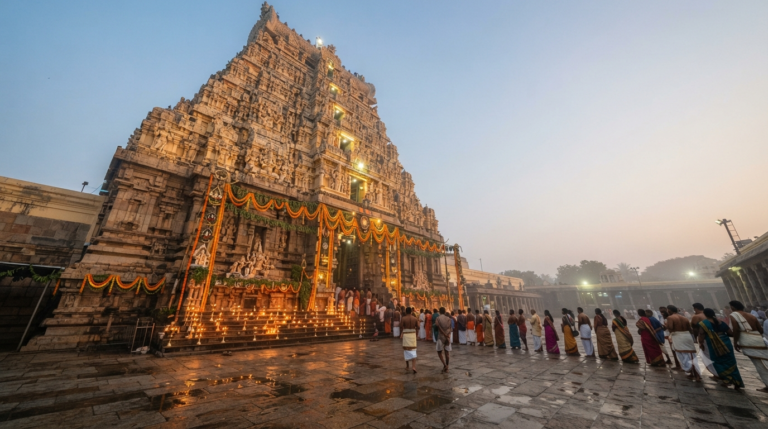
Some devotees prefer to observe Nagula Chavithi at a temple, especially those seeking relief from Sarpa Dosha. A few well-known Naga shrines draw large crowds during Karthika masam. At Kukke Subramanya in Karnataka, devotees perform Naga Pratishta and Sarpa Samskara poojas. In Andhra Pradesh, the Srikalahasti temple is famous for Rahu-Ketu and Kalasarpa Dosha parihara poojas.
If you plan a temple visit, book any seva only through that temple’s official channel, and confirm the current timings before you travel. Nagula Chavithi also falls within the wider Karthika masam observances, a month rich with Shiva and Vishnu worship. It arrives just after Diwali Lakshmi Pooja, which makes the whole Karthika period a busy and joyful stretch for Telugu families.
The Story Behind Nagula Chavithi
Like most festivals, this one carries a legend. During the Samudra Manthan, when the devas and asuras churned the ocean for amrita, the serpent Vasuki served as the churning rope. The churning released Halahala, a terrible poison that threatened all creation.
To save the world, Lord Shiva drank the poison and held it in his throat, which turned blue. So he became Neelakantha.
A few drops are said to have spilled to the earth, and worshipping the Nagas is one way devotees seek protection from harm. The story ties the day back to a simple, human wish — safety, harmony with nature, and the wellbeing of one’s family. That is the heart of Nagula Chavithi.
Before You Observe the Day
Nagula Chavithi is a warm, family-centred festival with a clear purpose: honouring the Naga Devatas and praying for children’s welfare. For 2026, mark Friday, 13 November, keep your samagri ready the night before, and perform the Nagula Chavithi pooja in the morning after your bath. Above all, hold the tradition gently — offer your milk to an idol or at a temple, keep real snakes safe, and share the prasadam with joy. If any timing looks different in your local panchangam, trust your family’s calendar and confirm the muhurat for your city.
Frequently Asked Questions
When is Nagula Chavithi in 2026?
Nagula Chavithi 2026 falls on Friday, 13 November for devotees in India. It is observed on Karthika Shukla Chaturthi, the fourth day after Deepavali Amavasya. The Chaturthi tithi runs from the evening of 12 November to the evening of 13 November, so devotees do the pooja on Friday morning.
What is the right time for Nagula Chavithi pooja?
Devotees perform the Nagula Chavithi pooja in the morning, after an early bath and before the first meal. The exact muhurat depends on your local sunrise, so confirm it on Drik Panchang set to your city. Most families complete the worship within a two-hour window in the late morning.
Is Nagula Chavithi the same as Nag Panchami?
No, they are related but separate festivals. Nagula Chavithi falls in Karthika masam after Diwali, while Nag Panchami falls in Shravana masam during July or August. Both honour the Naga Devatas, but Telugu households in Andhra Pradesh and Telangana observe Nagula Chavithi as their main Naga pooja.
Who should observe the Nagula Chavithi vratam?
Married women mainly keep this vratam, praying for the health and long life of their children. Unmarried women also observe it while seeking a good marriage. Anyone advised to ease Sarpa Dosha in their horoscope may worship on this day, treating the benefit as tradition rather than a guaranteed result.
Should we really pour milk on live snakes?
No. Snakes are reptiles and cannot digest milk, so feeding them milk can harm them. The respectful practice is to offer milk to a Naga idol, a stone Naga pratima, or at a temple. This keeps the devotion intact while protecting the snakes the festival honours.
What food is offered on Nagula Chavithi?
The classic naivedyam is chalimidi, a mix of rice flour and jaggery, along with chimmili made from sesame and jaggery. Families also offer wet chickpeas, fruit, coconut, and milk. Many avoid deep-frying and cutting on this day, so families keep the food simple and gentle.
Can Nagula Chavithi pooja be done at home?
Yes, it is commonly done at home before a Naga idol or picture. You perform the abhishekam with milk and water, offer the shodashopachara puja, chant the Naga mantras, and read the vrata katha. Keep the samagri ready the night before so the morning stays calm.