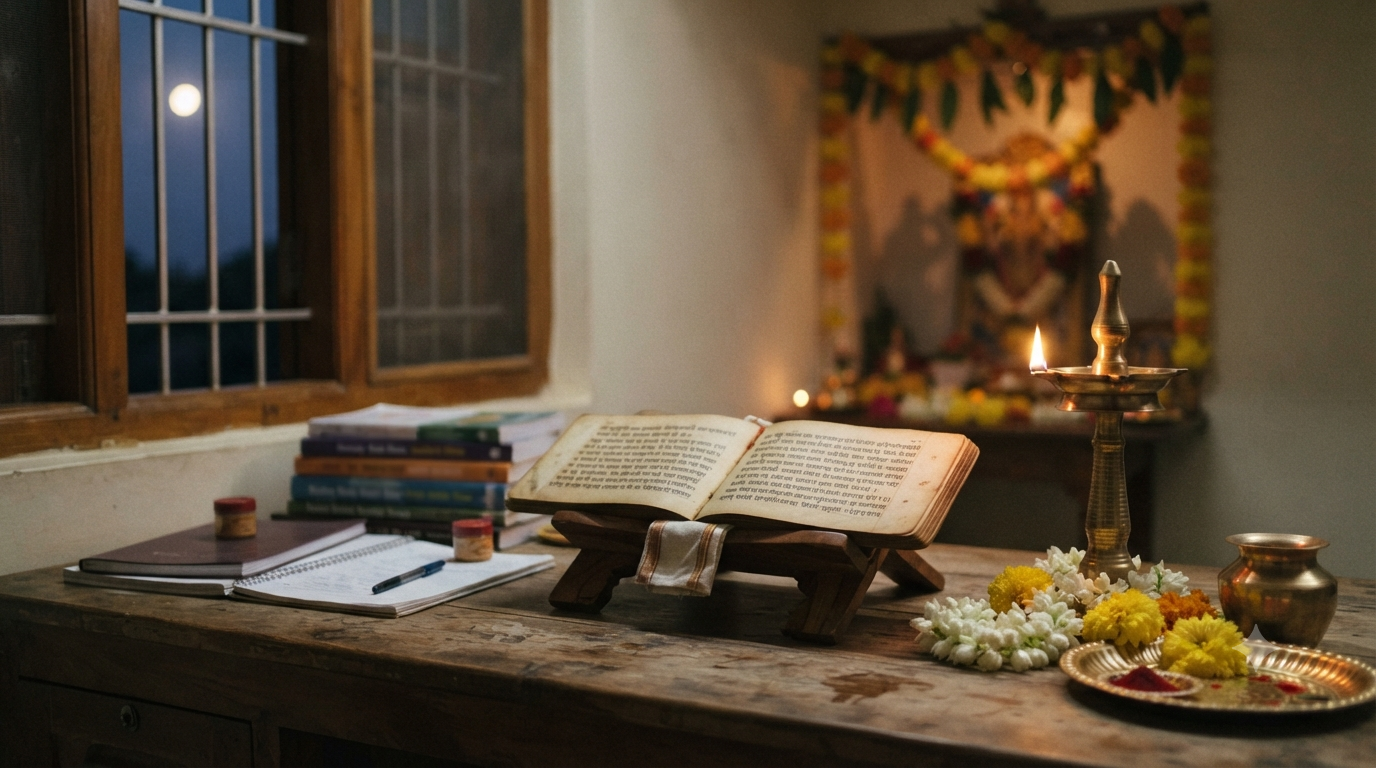
Hayagriva Jayanti date follows Shravana Shukla Purnima. Therefore, its Gregorian date changes every year, and local tithi timings can vary by city. The observance honours Lord Hayagriva, a horse-headed form of Lord Vishnu. Hindu tradition links him with the recovery of the Vedas, sacred learning, disciplined study, and responsible knowledge.

Sri Vyasa Pooja is an independent devotional information guide. We are not the official website of any temple, mutt, trust, or government body. This page does not accept bookings, donations, or payments. For exact yearly timings, follow a reliable city-specific panchang and any announcement from the temple or sampradaya you follow.
Hayagriva Jayanti Date at a Glance
- Festival: Hayagriva Jayanti, also written Hayagreeva Jayanti.
- Tithi: Shravana Shukla Purnima, the full-moon tithi of the Shravana month.
- Main deity: Lord Hayagriva, a form of Lord Vishnu.
- Main theme: preservation of sacred knowledge, learning, clarity, and disciplined study.
- Who commonly observes it: Vaishnava devotees, students, teachers, scholars, and families devoted to Vishnu.
- Date rule: the civil date changes every year because the festival follows a lunar tithi, not a fixed Gregorian date.
- Timing rule: use your own city in a panchang because sunrise, tithi overlap, and local observance rules matter.
For the next cycle, Drik Panchang and PanchangTime both list Monday, 16 August 2027 in their Indian calculations. However, local puja windows differ by place. Therefore, use that date as a planning reference rather than a universal clock time.
How Is the Hayagriva Jayanti Date Decided?
The festival follows Shravana Shukla Purnima, not a fixed day in August. Therefore, the Hayagriva Jayanti date moves each year against the Gregorian calendar. A tithi can also begin on one civil day and end on the next.
| What to check | Why it matters | Practical action |
|---|---|---|
| Shravana Purnima tithi. | This is the lunar basis of the observance. | Check a panchang for your city. |
| Local sunrise and tithi overlap. | Festival assignment can depend on when the tithi prevails. | Do not copy timings from another city. |
| Temple or sampradaya announcement. | Traditions may apply their own observance rules. | Follow the institution you worship with. |
| Published muhurat. | Some calendars provide a local worship window. | Treat it as location-specific, not all-India. |
Drik Panchang provides city-based Hayagriva Jayanti calculations. Since the page adjusts by location, it is more useful than copying an old table from another place.
What Is Hayagriva Jayanti?
Hayagriva Jayanti is the devotional appearance-day observance of Lord Hayagriva, whom Vaishnava traditions identify with Lord Vishnu. Traditional iconography gives Hayagriva a human body and a horse-like head. His worship centres on sacred knowledge, the Vedas, memory, disciplined learning, and spiritual understanding.
Traditional accounts describe Hayagriva as restoring the Vedas after demons took them from Brahma. That story gives the festival its central meaning. Devotees should preserve knowledge, recover it when lost, and use it with humility rather than pride.
The association with learning explains why students and teachers give the day special attention. Still, Hayagriva worship is not limited to examinations or academic success. The wider devotional idea concerns right understanding, scriptural study, and clarity of mind.
Why Lord Hayagriva Is Linked With Knowledge
Devotees revere Lord Hayagriva as a guardian and restorer of sacred learning. The core traditional story places the Vedas at the centre of his appearance. Therefore, devotees often begin study, resume neglected reading, honour teachers, or pray for steadiness in education.
This theme sits naturally beside other Hindu observances that honour knowledge transmission. Our guide to Veda Vyasa Jayanti explores a related idea. Knowledge gains value when people preserve it carefully and pass it to the next generation with responsibility.
Treat claims about guaranteed marks, instant memory improvement, legal victories, or wealth as devotional belief rather than measurable outcomes. Prayer can support discipline and intention, but it should not replace study, medical care, professional advice, or practical effort.
The Story Behind the Festival
Many popular retellings say demons stole the Vedas and Lord Vishnu appeared as Hayagriva to restore them to Brahma. Some traditions name Madhu and Kaitabha. Other textual retellings connect the Hayagriva name with a different demon or present the sequence differently.
That variation matters because Hindu narrative traditions often preserve more than one version of an episode. It is safer to present the shared devotional core than to claim one modern summary is the only scriptural account.
The shared theme remains consistent: sacred knowledge disappears, divine intervention restores it, and order returns. Sri Kanchi Kamakoti Peetham also publishes traditional material that preserves Hayagriva narratives. These sources show the figure’s wider place in Sanskritic devotional literature.
Hayagriva Jayanti Date and the Upakarma Connection
The Hayagriva Jayanti date falls in the Shravana Purnima period, which also matters for several Vedic Upakarma traditions. However, not every Brahmin community performs the same Upakarma on the same civil date each year.
Upakarma practice varies by Veda, region, family tradition, and panchang rules. Therefore, devotees should follow their own Vedic tradition or family priest. A generic festival page should not override sacred-thread customs.
This distinction matters because many online articles merge several observances into one fixed date. They often combine Hayagriva Jayanti, Raksha Bandhan, Gayatri Japam, and every Upakarma tradition. In practice, the same Purnima period can carry several observances, yet their assigned civil days may differ.
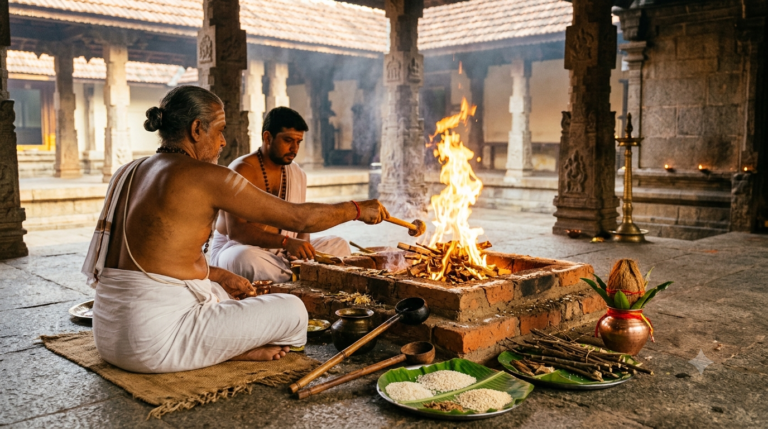
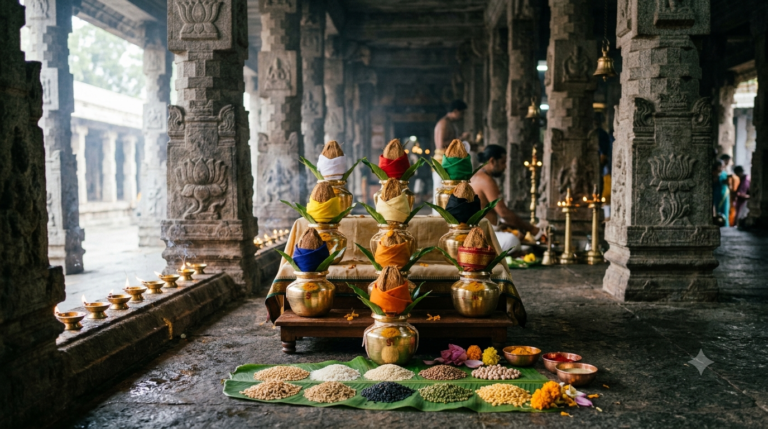
Simple Hayagriva Jayanti Puja at Home
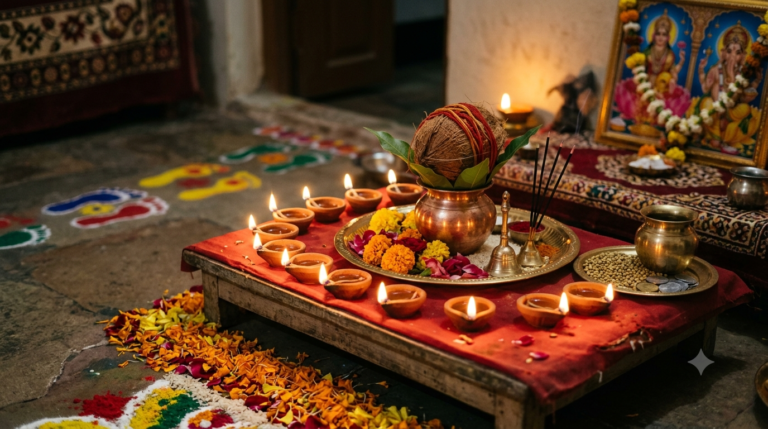
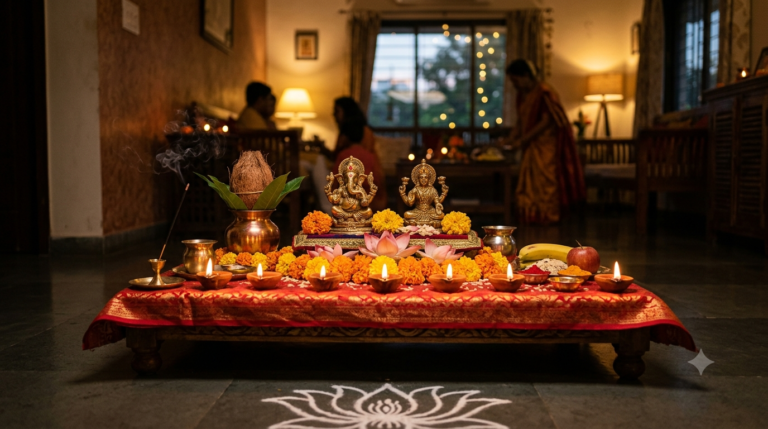
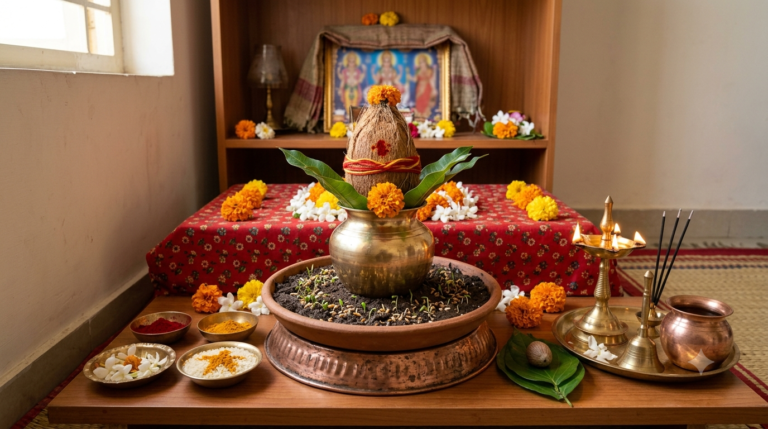
A home observance can remain simple because devotion and attentive study matter more than elaborate materials. Families may follow their own sampradaya. Beginners can use the following respectful sequence without treating it as a compulsory temple-style ritual.
- Clean the worship space. Bathe and wear clean clothes if that is your household custom. Then place a clean image or suitable murti of Lord Hayagriva on the altar.
- Light a lamp. Offer incense if your family uses it, while keeping the area ventilated and safe from curtains or paper decorations.
- Make a simple sankalpa. State your intention to worship with sincerity, learn well, and use knowledge responsibly.
- Offer flowers and fruit. Many devotees associate white flowers with Hayagriva worship. However, clean seasonal flowers are also suitable when that is what you have.
- Chant a simple name mantra. “Om Shri Hayagrivaya Namah” is widely used as a straightforward devotional repetition. Follow a teacher if you practise a longer initiated mantra.
- Read or study. Spend time with a sacred text, schoolbook, or serious field of learning, because study itself fits the festival’s central theme.
- Offer naivedya and share prasada. Use fruit, milk-based sweets, or your household’s usual sattvic offering. Share the food respectfully after worship.
If you use a framed picture, do not pour milk, water, or panchamrita over it. Abhishekam belongs to a suitable murti and should follow the material, temple custom, and ritual tradition involved.
Do You Need to Fast on This Festival?
A strict fast is not a universal requirement for Hayagriva Jayanti. Some devotees keep a simple vrat or eat sattvic meals. Others focus on puja, chanting, study, charity, and temple worship.
If fasting is part of your family practice, choose a level that suits your health. Children, pregnant or nursing women, and elderly people need extra care. Anyone with diabetes or regular medication should seek appropriate medical guidance before a strict fast.
Devotional fasting is not a treatment for illness and should never replace prescribed care. If you want a broader explanation of fasting discipline in Vishnu worship, see our Ekadashi fasting rules guide.
What Students Can Do on This Day
The Hayagriva Jayanti date gives students a useful annual point to reset study habits. It need not become a search for instant success. A simple observance can pair prayer with one practical decision, such as starting a revision schedule or organizing notes.
- Begin the day with a short prayer before study.
- Clean the desk and remove avoidable distractions.
- Read one meaningful passage slowly instead of rushing through many pages.
- Offer gratitude to teachers, parents, and mentors who support learning.
- Choose one study weakness and make a realistic plan to improve it.
- Donate books, notebooks, or educational materials when practical.
This approach keeps the spiritual symbolism connected to action. Tradition may describe Hayagriva as a bestower of wisdom. However, the student’s own discipline remains the practical path through which learning grows.
Visiting a Hayagriva Temple
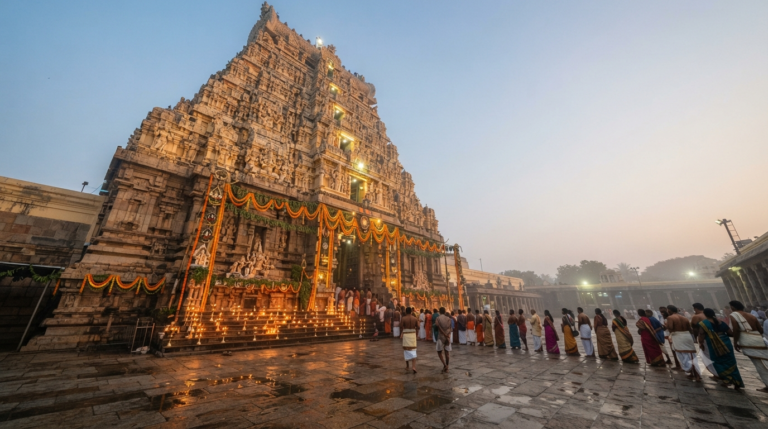
One of the best-known historic shrines associated with Hayagriva is the Hayagriva Madhava Temple at Hajo in Assam. Assam Tourism places the temple on Monikut Hill, west of Guwahati. The Kamrup district administration also documents it as an important Hayagriva Madhava shrine.
If you plan a festival visit, check the temple’s current announcement before travelling. Special puja schedules and crowd arrangements can change. Also avoid private phone numbers or unofficial booking pages that claim to sell special festival access.
A local Vishnu or Lakshmi Hayagriva shrine may also hold special worship. When no dedicated Hayagriva temple is nearby, home worship remains a valid devotional choice for many families.
Common Mistakes to Avoid
- Using last year’s calendar date. The tithi shifts, so the Gregorian date must be checked again every year.
- Copying another city’s muhurat. Local sunrise and tithi timings matter, so one city’s clock time is not universal.
- Treating every ritual as compulsory. Home customs, temple practice, and sampradaya rules can differ.
- Bathing a framed picture. Offer flowers and light instead; reserve abhishekam for a suitable murti and proper setup.
- Promising guaranteed exam results. Worship is a matter of faith, while study and preparation remain essential.
- Assuming Upakarma is identical everywhere. Vedic branches and regional traditions can assign observances differently.
- Following unofficial booking claims. Use official temple or institutional channels for any paid seva or reservation.
How to Check the Festival Date Every Year
Start with a city-specific panchang and look for Shravana Shukla Purnima. Then check whether the calendar separately lists Hayagriva Jayanti. A panchang may assign different Shravana Purnima observances to different civil days.
Next, compare the result with the temple, mutt, or sampradaya you actually follow. This two-step check avoids a common error. Do not copy a national date and assume its timing applies unchanged everywhere.
If two reliable sources disagree by a day, do not guess. Follow your local tradition’s announcement, because lunar observances can legitimately differ when tithi boundaries cross sunrise or local rules apply.
Why the Old 2021 Date Should Not Stay in the Title
The 2021 Tirupati observance itself was valid. Tirumala Tirupati Devasthanams reported Hayagreeva Jayanthi at Ramachandra Pushkarini on 22 August 2021. The problem is that a year-stamped title turns an otherwise evergreen subject into a stale archive page.
An evergreen article should explain the rule that determines the festival. Then update only the small “next observance” note when needed. That preserves usefulness without rewriting the entire page every year.
Before You Observe Hayagriva Jayanti
Use the Hayagriva Jayanti date as a reminder that Hindu tradition links learning with humility, discipline, and preservation. Check the local tithi, keep the worship simple, and follow your own family or sampradaya where practices differ.
Most importantly, do not turn the day into a promise of instant academic success. Prayer and study fit the spirit of the observance. So do gratitude to teachers and responsible use of knowledge.
Frequently Asked Questions
When is Hayagriva Jayanti celebrated?
Hayagriva Jayanti falls on Shravana Shukla Purnima, the full-moon tithi of the Shravana month. Because the observance follows the Hindu lunar calendar, the Gregorian date changes each year. Exact tithi and worship timings can also differ by city.
What is the date in 2027?
For the 2027 cycle, Drik Panchang and PanchangTime both list Monday, 16 August 2027 in their Indian calculations. However, devotees should still check their own city. Local tithi timings and institutional observance rules can vary.
Why do students worship Lord Hayagriva?
Tradition links Lord Hayagriva with students because it remembers him as the restorer and protector of the Vedas. Therefore, devotees associate his worship with learning, memory, clarity, scripture, and disciplined study. These blessings remain matters of faith rather than guaranteed academic results.
Is it observed on the same day as Raksha Bandhan?
Both observances arise in the Shravana Purnima period, but their civil dates need not match everywhere. Panchang rules, region, and local tithi boundaries can assign related observances differently. So check your city and tradition instead of assuming one fixed national date.
Is Upakarma compulsory on this day?
No single Upakarma rule applies to everyone. Upakarma belongs to specific Vedic and family traditions, while the assigned day can vary by Veda, region, and panchang method. Follow your own family practice, acharya, or purohit for sacred-thread observance rather than a generic festival article.
Can Hayagriva Jayanti be observed at home?
Yes. Many devotees can keep a simple home observance with a clean altar, lamp, flowers, fruit, prayer, chanting, and study. If your family follows a detailed sampradaya procedure, continue that tradition. Beginners need not imitate elaborate temple rituals at home.
Do I need a special muhurat for the puja?
No single all-India clock time applies to every location. Panchang services may publish city-based worship windows, while temples or lineages may follow their own schedule. Use your local panchang and the institution you follow for the final timing.
Which temple is famous for Lord Hayagriva?
Hayagriva Madhava Temple at Hajo in Assam is a well-known historic shrine associated with Hayagriva Madhava. Assam Tourism places it on Monikut Hill near Guwahati. The Kamrup district administration also documents the shrine and its long regional importance.