Telugu year names are the traditional names used for each year in a repeating 60-year samvatsara cycle. The name changes with Ugadi, the Telugu New Year, rather than on 1 January. This guide explains the full sequence, how the cycle works, and how to verify the correct name without relying on expired yearly posts.
Sri Vyasa Pooja is an independent guide to Hindu festivals and traditions. We are not affiliated with a temple, mutt, panchangam publisher, or official body, and we do not accept bookings, donations, or payments.
Telugu Year Names at a Glance
- Total names: 60 samvatsara names in a repeating sequence.
- When the name changes: At Ugadi, the Telugu New Year.
- Calendar basis: The Telugu calendar is lunisolar, so Ugadi does not stay on one fixed Gregorian date.
- Ugadi tithi: Chaitra Shukla Pratipada, the first day of the bright fortnight of Chaitra.
- How to verify a year: Use a current Telugu panchangam from a trusted publisher or established panchang source.
- Why old articles mislead: A samvatsara name belongs to a specific cycle and an old annual panchangam should not be reused for current timings.
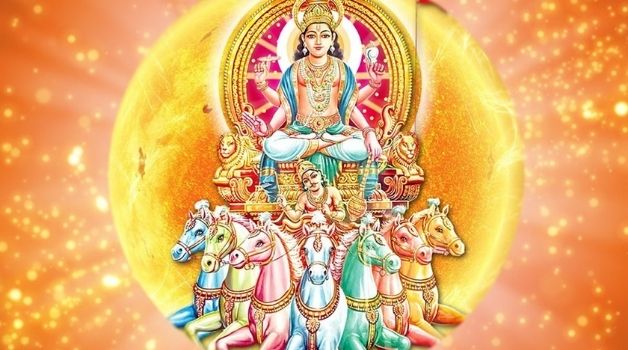
The Ministry of Tourism describes Ugadi as the Telugu New Year celebrated prominently in Andhra Pradesh. Drik Panchang also identifies Ugadi as the start of the Telugu New Year and states that a new samvatsara begins with the cycle. These stable points are more useful for an evergreen guide than any single year’s date.
What Are Telugu Year Names?
Telugu year names are the names assigned to successive years in the traditional 60-year samvatsara cycle. Each year carries one fixed name in the sequence, and the sequence repeats after all 60 names have been used. In Telugu calendar practice, the new name takes effect with the New Year observance of Ugadi.
This is why a Telugu calendar does not identify a year only by a Gregorian number. A panchangam can also state the samvatsara name, along with lunar months, tithis, nakshatras, festivals, and other calendar details. The year name helps place religious observances inside the traditional calendar system.
Drik Panchang lists the 60 Telugu samvatsara names in order on its Telugu Panchangam pages. The sequence begins with Prabhava and ends with Akshaya before starting again. Because transliteration varies, English spellings may differ slightly between publishers even when the underlying Telugu or Sanskrit name is the same.
Complete List of 60 Telugu Year Names
The following Telugu year names follow the sequence published in Drik Panchang’s Telugu Panchangam reference. The spellings below use common English transliterations, while regional panchangams may show small spelling differences. The order is the important part when you are checking a year name.
| No. | Samvatsara | No. | Samvatsara |
|---|---|---|---|
| 1 | Prabhava | 31 | Hevilambi |
| 2 | Vibhava | 32 | Vilambi |
| 3 | Sukla | 33 | Vikari |
| 4 | Pramodyuta | 34 | Sarvari |
| 5 | Prajothpatthi | 35 | Plava |
| 6 | Angirasa | 36 | Subhakruthu |
| 7 | Srimukha | 37 | Sobhakruthu |
| 8 | Bhava | 38 | Krodhi |
| 9 | Yuva | 39 | Visvavasu |
| 10 | Dhatha | 40 | Parabhava |
| 11 | Iswara | 41 | Plavanga |
| 12 | Bahudhanya | 42 | Kilaka |
| 13 | Pramadi | 43 | Saumya |
| 14 | Vikrama | 44 | Sadharana |
| 15 | Vrusha | 45 | Virodhikruth |
| 16 | Chitrabhanu | 46 | Paridhavi |
| 17 | Svabhanu | 47 | Pramadicha |
| 18 | Tharana | 48 | Ananda |
| 19 | Parthiva | 49 | Rakshasa |
| 20 | Vyaya | 50 | Nala |
| 21 | Sarvajitthu | 51 | Pingala |
| 22 | Sarvadhari | 52 | Kalayukthi |
| 23 | Virodhi | 53 | Siddharthi |
| 24 | Vikruthi | 54 | Raudri |
| 25 | Khara | 55 | Durmathi |
| 26 | Nandana | 56 | Dundubhi |
| 27 | Vijaya | 57 | Rudhirodgari |
| 28 | Jaya | 58 | Rakthaksha |
| 29 | Manmatha | 59 | Krodhana |
| 30 | Durmukhi | 60 | Akshaya |
The list is cyclical, so the number 60 does not mean the system ends at Akshaya. After the final name, the sequence begins again with Prabhava. Therefore, a samvatsara name alone may not tell you the exact Gregorian year unless you also know which 60-year cycle the record belongs to.
When Do Telugu Year Names Change?
Telugu year names change with Ugadi, not with the start of January. Drik Panchang places Ugadi on Chaitra Shukla Pratipada, the first day of the bright fortnight of Chaitra. Because the Telugu calendar is lunisolar, the corresponding Gregorian date moves from year to year.
This difference matters when you read invitations, horoscopes, panchangams, temple records, or family documents. A Gregorian calendar year can contain portions of two Telugu samvatsaras because the traditional year changes later at Ugadi. So the safest method is to verify the event date against the panchangam for that period.
Do not copy a samvatsara name from an old article just because the Gregorian year looks similar. Instead, confirm the new year’s name from a current panchangam when Ugadi approaches. This avoids carrying forward an expired annual label.
How Is Ugadi Connected to the Samvatsara Cycle?
Ugadi marks the beginning of the Telugu New Year, so it is the practical point when families encounter the new samvatsara name. Drik Panchang also uses the term Samvatsaradi for the beginning of the new samvat. The Ministry of Tourism describes Ugadi as a New Year festival observed widely in Andhra Pradesh.
During the festival, homes may be decorated with muggulu and mango leaves, while families prepare festive food. Ugadi Pachadi is especially associated with the day in Telugu households. For the food tradition itself, see our guide to the importance of Ugadi Pachadi.
This article stays focused on the calendar system rather than repeating the whole festival procedure. If you need the ritual sequence, our Ugadi celebration procedure explains the home observance separately.
How to Find the Correct Telugu Year Name
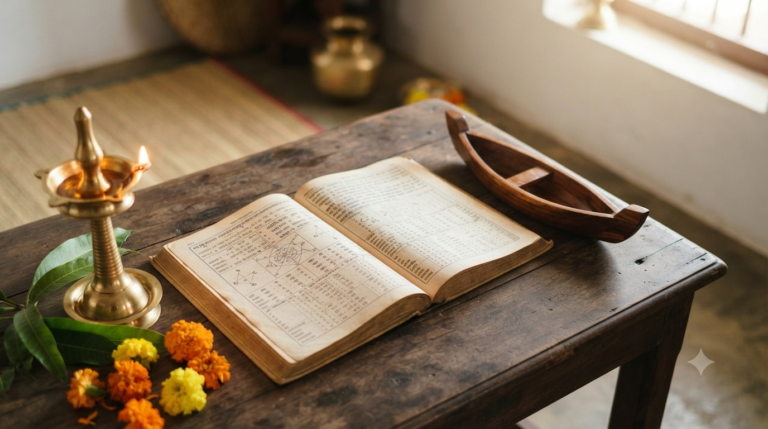
The safest way to identify the correct samvatsara is to check a current Telugu panchangam for the year you are researching. A reliable panchangam should show the samvatsara name alongside the daily or monthly calendar data. Established sources also state the relevant Chaitra and Ugadi details.
- Start with the date you need. Note the full Gregorian date rather than only the calendar year.
- Check whether the date falls before or after Ugadi. The year name changes at the Telugu New Year.
- Open a trusted Telugu panchangam. Look for the samvatsara field rather than relying on a search snippet.
- Match the name to the 60-year sequence. This helps catch spelling mistakes or accidental confusion between adjacent names.
- Keep the source with your record. That is useful when the date matters for a family, religious, or historical reference.
For an explanation of how annual almanacs work, see our Kanchi Kamakoti Panchangam guide. The key principle is simple: use the edition that matches the period you are checking.
Why Telugu Year Names Have Different English Spellings
Telugu year names often appear with more than one English spelling because transliteration is not perfectly uniform. For example, a long vowel or an aspirated sound may be represented differently by different publishers. Telugu, Sanskrit, Kannada, and Tamil sources can also use slightly different Roman spellings for the same traditional name.
That spelling variation does not automatically mean the panchangams disagree. When comparing two sources, first check the position of the name in the 60-year sequence. You should also compare the original regional-script spelling when precision matters.
This is especially important with names that look similar in Roman letters. Never decide that two labels are identical simply because the spellings are close. The numbered sequence is a safer reference than memory.
What Is Panchanga Sravanam?
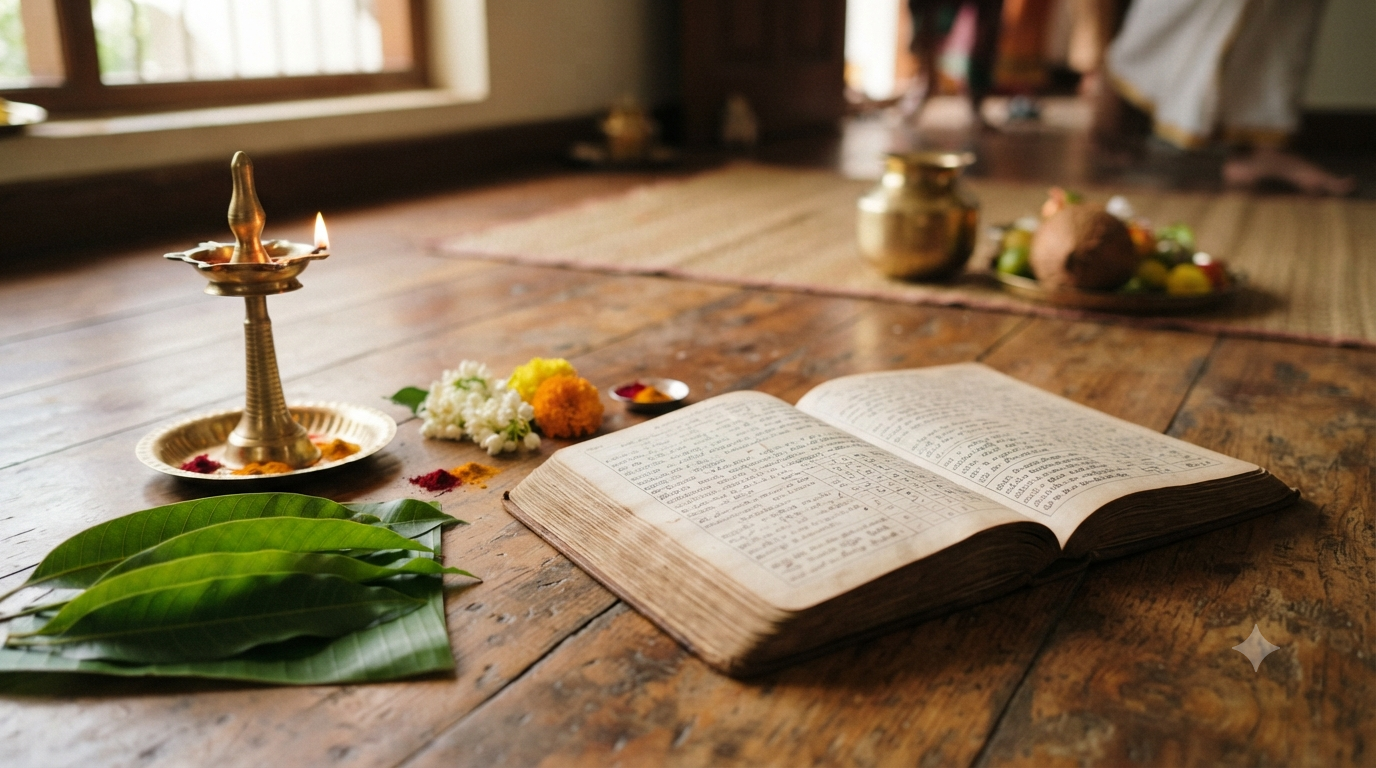
Panchanga Sravanam is the traditional listening to, or reading of, the new panchangam around Ugadi. Drik Panchang lists Panchanga Sravanam among Ugadi observances. The practice introduces the almanac for the new year and gives households a structured way to begin using the new calendar.
A panchangam contains far more than the samvatsara name. It can include tithi, nakshatra, yoga, karana, weekday details, festival observances, and other calendar information. Exact daily values depend on date and location, so they should always come from the relevant panchang rather than from an evergreen article.
That distinction is important for accuracy. An evergreen page can safely explain how the system works, while a dated panchangam should handle current timings. Mixing those two jobs is how expired calendar information remains online for years.
Telugu Year Names and the Gregorian Calendar
Telugu year names do not line up exactly with January-to-December Gregorian years. The Gregorian system changes its year number on 1 January, while the Telugu samvatsara changes at Ugadi. Therefore, a date early in a Gregorian year may still belong to the Telugu year that began at the previous Ugadi.
This is not an error. The two calendars use different structures and starting points. The Telugu festival calendar follows a lunisolar system, while the Gregorian calendar is solar. Drik Panchang specifically describes Ugadi as the first day of a lunisolar-based Hindu calendar.
For ordinary readers, the practical rule is enough: never convert a Gregorian year into a Telugu year name by guesswork. Check the exact date, then verify the samvatsara in a panchangam.
Common Mistakes When Using Telugu Year Names
The most common mistake is treating a samvatsara name as if it runs from January through December. It does not. Another problem is reusing an old annual article after its year has ended, which can send readers to the wrong panchangam or wrong calendar reference.
- Do not assume the year changes on 1 January. The Telugu samvatsara changes at Ugadi.
- Do not reuse old festival dates. Ugadi follows the lunar calendar and its Gregorian date changes.
- Do not treat similar spellings as the same name. Check the numbered 60-year sequence.
- Do not use an old panchangam for current timings. Tithi and other daily values belong to the relevant date and location.
- Do not treat yearly astrological forecasts as verified outcomes. They belong to traditional Jyotisha interpretation, not established fact.
These rules keep an evergreen reference genuinely evergreen. They also prevent readers from confusing stable calendar structure with temporary annual information.
Which Sources Should You Use for Verification?
For the structure of Ugadi and the samvatsara cycle, use established panchang sources and institutional references. Drik Panchang provides a Telugu Panchangam with the 60-name sequence and explains Ugadi’s place at Chaitra Shukla Pratipada. The Government of India’s Utsav portal also documents Ugadi as the Telugu New Year and describes common Andhra Pradesh observances.
You can check the Drik Panchang Ugadi reference for the calendar rule. The Ministry of Tourism’s Utsav page provides a government cultural reference for the festival.
For an exact date, muhurtham, or daily panchanga value, use a current location-aware almanac. That information changes, so this page deliberately does not freeze any current-year date into an evergreen article.
Why This Guide Avoids Current-Year Dates
This page is designed to remain useful without annual rewriting. The 60-name sequence, Ugadi’s role as the Telugu New Year, and the Chaitra Shukla Pratipada rule are stable concepts. A specific Gregorian date, however, expires as soon as that festival year passes.
Separating stable and changing information is better for readers. You can learn the calendar system here, then use the current panchangam only for the date-sensitive part. This also prevents an old search result from looking current when it is not.
That is the right way to handle Telugu year names on an evergreen website: explain the system once, verify the permanent facts, and send date-specific questions to a current almanac.
Telugu Year Names: Final Reference
Telugu year names form a repeating 60-samvatsara sequence used in the traditional Telugu calendar. The active name changes at Ugadi, which falls on Chaitra Shukla Pratipada. Since Ugadi follows a lunisolar calendar, its Gregorian date must be checked fresh for the required year.
Use the 60-name list as a structural reference, not as a substitute for a current panchangam. When a date or timing matters, verify it with a reliable, location-appropriate calendar source.
Frequently Asked Questions
How many Telugu year names are there?
There are 60 Telugu year names in the repeating samvatsara sequence. The list begins with Prabhava and, in the Telugu sequence shown by Drik Panchang, ends with Akshaya. After the cycle is completed, the names begin again in the same order.
When does a Telugu year name change?
The Telugu year name changes at Ugadi rather than on 1 January. Ugadi is observed on Chaitra Shukla Pratipada in the Telugu lunisolar calendar. Therefore, always check whether a date falls before or after Ugadi when identifying its samvatsara.
Is Ugadi always on the same Gregorian date?
No. Ugadi follows the lunisolar calendar, so its Gregorian date changes from year to year. Use a current panchangam to verify the festival date for the specific year and location you need.
What is a samvatsara?
In this context, a samvatsara is a named year in the repeating 60-year cycle used by the traditional calendar. Each name occupies a fixed place in the sequence. The applicable name changes as the new Telugu year begins.
Why do samvatsara names have different English spellings?
English spellings vary because Telugu and Sanskrit sounds can be transliterated in more than one way. Different panchang publishers may therefore write the same traditional name differently. Check its sequence position and regional-script form when exact identification matters.
Can I use an old panchangam to find today’s tithi or muhurtham?
No. An old panchangam is useful for historical reference, but daily tithi, nakshatra, and muhurtham information belongs to the relevant calendar period and location. Use a current panchangam for present-day planning.
What is Panchanga Sravanam?
Panchanga Sravanam is the traditional reading or listening to the new panchangam around Ugadi. Drik Panchang lists it among the important Ugadi observances. It introduces the new almanac and its calendar information for the year ahead.
Where should I verify the current Telugu year name?
Check a current Telugu panchangam from a trusted publisher or established panchang source. Confirm the exact date and samvatsara together, because the Telugu year does not change on 1 January. Avoid relying on an undated search snippet or an old yearly article.