Quick answer: Sri Agniswarar Temple at Kanjanur, near Kumbakonam in Tamil Nadu, is the Shukra (Venus) sthalam among the nine Navagraha temples. Here, Lord Shiva himself is worshipped as Shukra, so there is no separate planetary shrine. The temple generally opens around 6:00–6:30 AM and closes by 8:00–9:00 PM, with a midday break, and Fridays are the most significant day for Shukra worship. Timings change on festival days, so always confirm directly with the temple before you travel.
Sri Vyasa Pooja is an information guide — we do not book poojas or take payments. We help you understand the temple and reach the official channels for arrangements.
Key Information at a Glance
| Temple | Sri Agniswarar Temple (Kanjanur Sukran Temple) |
| Presiding deity | Lord Shiva as Agniswarar; Goddess as Karpagambal (Parvati) |
| Navagraha association | Shukra (Venus) — one of the nine Navagraha sthalams |
| Unique feature | Shiva is worshipped as Shukra; no separate Navagraha shrine |
| Location | Kanjanur, near Kumbakonam, Thanjavur district, Tamil Nadu |
| Distance from Kumbakonam | About 18 km (north-east) |
| Most significant day | Friday (day of Shukra) |
| Entry | Free; special darshan options may be available at the temple |
About the Kanjanur Shukra Sthalam
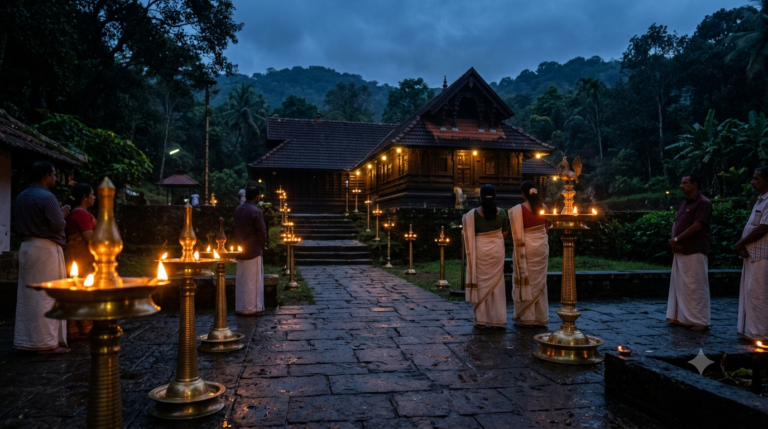
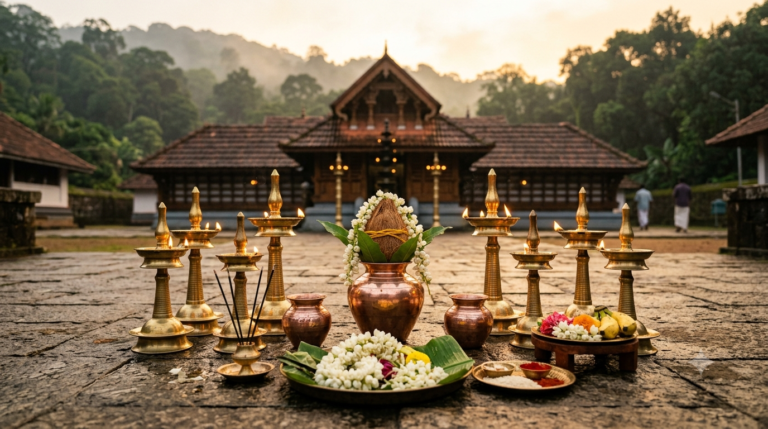
Sri Agniswarar Temple stands in the village of Kanjanur, part of the cluster of nine Navagraha temples spread around the Kumbakonam–Mayiladuthurai region of Tamil Nadu. It is the dedicated sthalam for Shukra, the planet Venus. The temple is an ancient Shiva temple, built by the medieval Cholas and later renovated under the Vijayanagara kings, with a five-tier rajagopuram and two prakarams (enclosures) around the sanctum.
What makes Kanjanur unusual among the Navagraha temples is that there is no separate idol or shrine for the planetary deity. Instead, Lord Shiva, worshipped here as Agniswarar, is himself revered as Shukra. According to temple tradition, the grace of Venus is held within the Lord, so devotees seeking Shukra blessings worship Shiva directly. His consort is honoured as Karpagambal. The temple also has sacred tanks associated with it, including the Agni Theertham.
Daily Pooja List & Timings
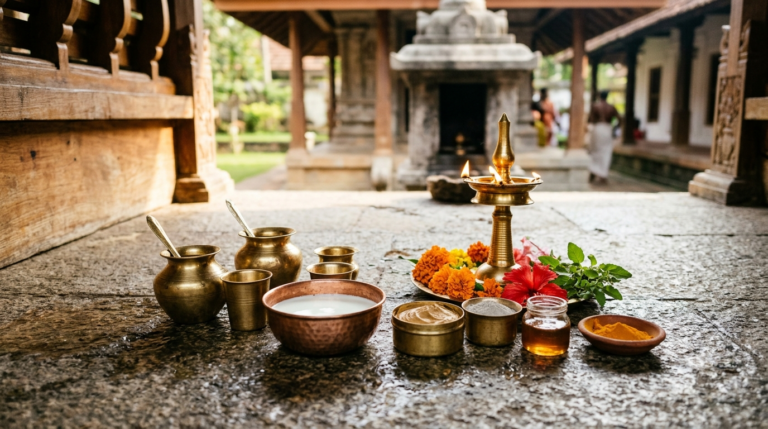
Like most traditional Chola-era Shiva temples in Tamil Nadu, Kanjanur follows the six-kalam (six-period) daily worship pattern. Each worship typically includes abhishekam (sacred bathing of the deity), alankaram (adornment), naivedyam (food offering) and deepa-aradhanai (lamp worship). The indicative sequence is below. Exact clock times shift with the season, festival calendar and temple administration, so treat these as a general guide only.
| Worship (Kalam) | Indicative time | Notes |
|---|---|---|
| Ushathkalam (early morning) | After temple opening, around 6:00–6:30 AM | First worship of the day |
| Kalasanthi | Mid-morning | Morning abhishekam and archanai |
| Uchikalam | Around midday, before the noon closing | Midday worship |
| Sayaratchai | Evening, after reopening around 4:00 PM | Evening worship |
| Irandam Kalam | Later evening | Second evening worship |
| Ardhajamam | Before closing (around 8:00–9:00 PM) | Final worship of the day |
General opening hours are roughly 6:00–6:30 AM to around 12:30 PM, and again from about 4:00 PM to 8:00–9:00 PM, with longer Friday and Saturday hours at many Navagraha temples. Please confirm the current darshan timings and exact pooja schedule with the temple directly before planning your visit, as these are subject to change.
Shukra Significance & Parihara
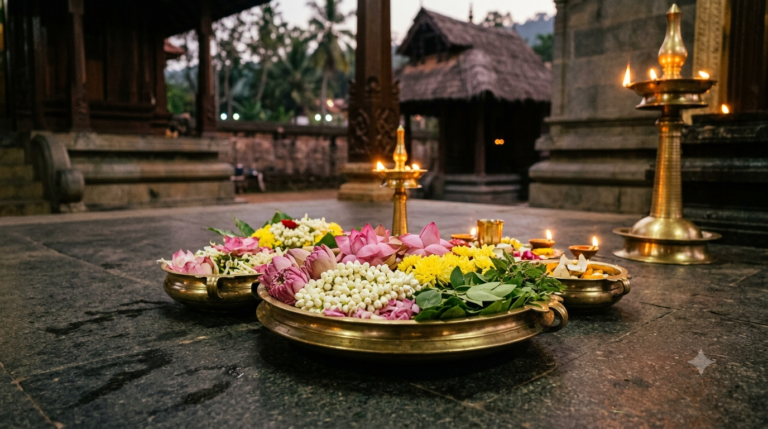
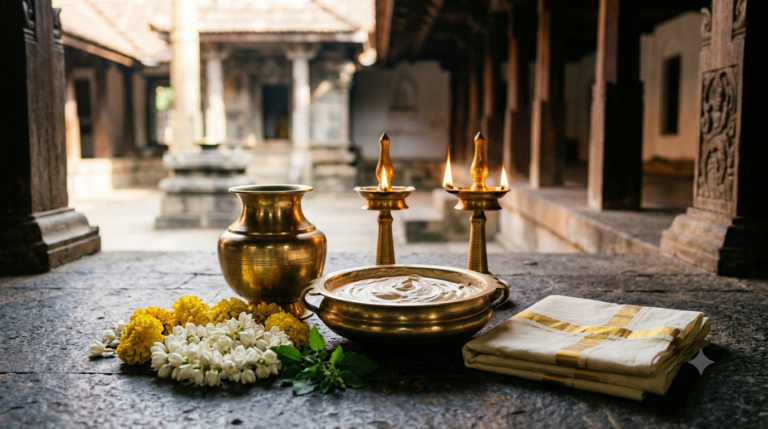
In Vedic astrology, Shukra (Venus) governs matters such as marriage, relationships, comfort, beauty, the arts and material wellbeing. Devotees with an afflicted or weak Venus in their horoscope — often described as Shukra dosha — visit Kanjanur seeking remedy. Traditional offerings associated with Shukra worship here include white flowers (such as white lotus), white cloth, mochai (a type of bean) and athi (fig), reflecting the colours and substances linked to Venus.
Common forms of parihara (remedial worship) at the temple include abhishekam, archana and homam performed for relief from Shukra-related difficulties, with Friday being the most favoured day. For details of any specific homam, sankalpam or archana arrangement — including what is currently offered, what materials are needed and any contribution involved — please speak with the temple authorities or a temple priest in person. If you would like more background on remedies and how arrangements are typically handled, see our related guide on Kanjanur Sukran Temple parihara pooja and booking.
How to Reach Kanjanur
Kanjanur lies about 18 km north-east of Kumbakonam in Thanjavur district, in the heart of the Navagraha temple circuit. Many pilgrims visit it together with the nearby Suryanar Kovil (the Sun sthalam), which is only a short distance away.
- By train: The nearest major railhead is Kumbakonam Railway Station, well connected to Chennai, Trichy, Thanjavur, Mayiladuthurai and other towns.
- By road: Buses, cabs and autos run to Kanjanur from Kumbakonam, Mayiladuthurai, Aduthurai and Anaikarai. The temple is reachable on the Kallanai–Poompuhar route.
- By air: The nearest airport is Tiruchirappalli (Trichy), roughly 90–95 km away.
Frequently Asked Questions
Which Navagraha is Kanjanur temple dedicated to?
Kanjanur is the sthalam for Shukra, the planet Venus, and is one of the nine Navagraha temples of Tamil Nadu. Uniquely, Lord Shiva (Agniswarar) is himself worshipped as Shukra, so there is no separate planetary shrine.
What are the temple timings?
The temple generally opens in the morning around 6:00–6:30 AM and closes around 8:00–9:00 PM, with a midday break. Hours can vary by day and on festivals, so please confirm the current timings with the temple before visiting.
Which day is best to visit for Shukra worship?
Friday is considered the most significant day for worshipping Shukra at Kanjanur, as it is traditionally the day of Venus. Fridays and festival days are usually busier than other days.
Does Sri Vyasa Pooja book poojas at this temple?
No. Sri Vyasa Pooja is an information guide only. We do not book poojas or take payments. For any pooja, parihara or darshan arrangement, please contact the temple authorities or a temple priest directly.