Key Information at a Glance
| Detail | Information |
| Type | Telugu panchangam (Hindu almanac) |
| Tradition | Gantala Pandita Sri Butte Veerabhadra lineage |
| Language | Telugu |
| Edition cycle | One per Telugu year (Ugadi to Ugadi) |
| Core contents | Tithi, vara, nakshatra, yoga, karana, festivals, muhurtams |
| Typical format | Printed pocket-size book, around 190 pages |
| Where to buy | Publisher and authorised Telugu booksellers |
| PDF on this site? | No — we do not distribute the copyrighted book |
What is the Butte Veerabhadra Gantala Panchangam?
A panchangam is a Hindu almanac. The word means “five limbs” — the five elements that define each day: vara (weekday), tithi (lunar day), nakshatra (lunar mansion), yoga and karana. A gantala panchangam is the printed, year-long version of this almanac that families and priests keep at home for daily reference. The Butte Veerabhadra Gantala Panchangam is one of the well-known editions in the Telugu-speaking regions of Andhra Pradesh and Telangana, associated with the Gantala Pandita Sri Butte Veerabhadra tradition of astrologers and scholars.
It is written in simple, traditional Telugu so that ordinary households — not only specialists — can follow it. Like other respected Telugu almanacs such as the TTD Gantala Panchangam and the Relangi Tangirala panchangam, it follows the chandramana (lunar) system, in which the Telugu year begins and ends at Ugadi. Each year carries a samvatsara name; recent editions, for example, cover years such as the Vishwavasu and Parabhava samvatsaras.
What it contains
The panchangam is organised so you can look up any single day or plan months ahead. Typical contents include:
- Daily panchangam: the tithi, vara, nakshatra, yoga and karana for each day of the year.
- Auspicious and inauspicious timings: muhurtams for important activities, plus daily Rahu Kalam, Yamaganda and Gulika periods to avoid.
- Festival and vrata dates: when major festivals, ekadashis, pournami, amavasya and temple observances fall.
- Eclipses (grahanams): dates and timing of solar and lunar eclipses for the year.
- Planetary movements: the transits of the grahas through the year.
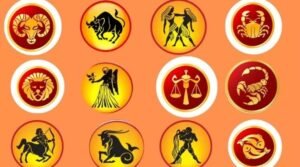
- Rasi forecasts: year-ahead notes for each of the twelve rasis.
Because the positions of the moon and planets change every year, every detail above is recalculated for each new edition. That is why a panchangam is published fresh annually rather than reused.
How to get the current year’s edition
We want to be straight with you: this site does not host the panchangam as a PDF, and we do not offer a download link. The book is copyrighted work belonging to its publisher, and sharing a scanned copy would be unfair to the people who research and produce it each year. What we can do is point you to genuine sources.
- The publisher: the printed edition is brought out by its publishing house each Telugu year, usually released around Ugadi.
- Authorised booksellers: established Telugu book stores and devotional retailers — both physical shops and reputable online sellers — stock the new edition. Search for the current samvatsara name to confirm you are buying the right year.
- Temple and devotional outlets: many temple book counters carry popular panchangams during the festival season.
When ordering, check the year printed on the cover. Sellers often list the previous year’s stock alongside the new one, so matching the samvatsara name (and the corresponding calendar years) ensures you receive the edition you actually need.
How it is used
In Telugu households the panchangam is a practical reference rather than light reading. Families consult it before fixing dates for weddings, housewarmings (gruhapravesam), naming ceremonies and other shubhakaryams, looking for a favourable muhurtam and avoiding inauspicious periods. Priests use it to recite the correct sankalpam — the opening declaration of a puja that names the current year, season, month, tithi and day. For daily worship and fasting, readers check the tithi and nakshatra to know when an ekadashi, pournami or festival falls. Reading it is a skill in itself, and many families rely on a priest or elder to interpret the finer points.
Frequently Asked Questions
Can I download the Butte Veerabhadra Gantala Panchangam as a free PDF here?
No. We do not host or distribute the panchangam as a PDF because it is copyrighted material. We recommend buying the printed edition from the publisher or an authorised bookseller so the people who produce it each year are supported.
What does the Butte Veerabhadra Gantala Panchangam contain?
It contains the daily tithi, vara, nakshatra, yoga and karana, along with festival and vrata dates, auspicious muhurtams, daily Rahu Kalam and other timings, eclipse details, planetary movements and year-ahead rasi forecasts for all twelve signs.
How often is a new edition published?
A new edition is published once every Telugu year. The Telugu year runs from one Ugadi to the next, so each edition is usually released around Ugadi and carries that year’s samvatsara name on the cover.
How do I make sure I buy the correct year?
Check the samvatsara name and the calendar years printed on the cover before ordering. Sellers sometimes list older stock next to the latest edition, so matching the year name confirms you receive the current panchangam.