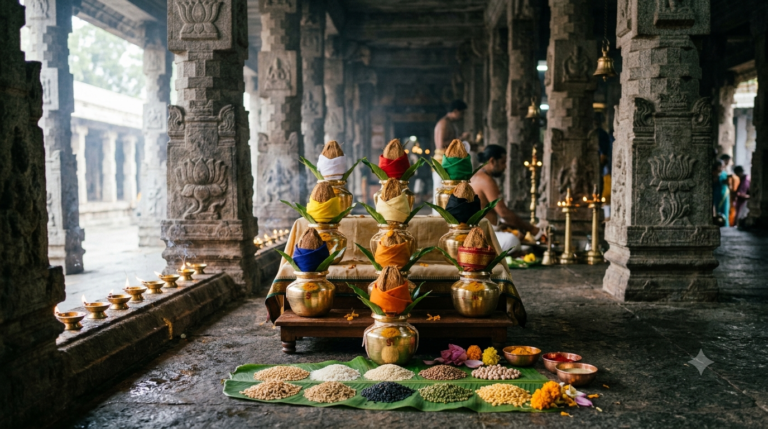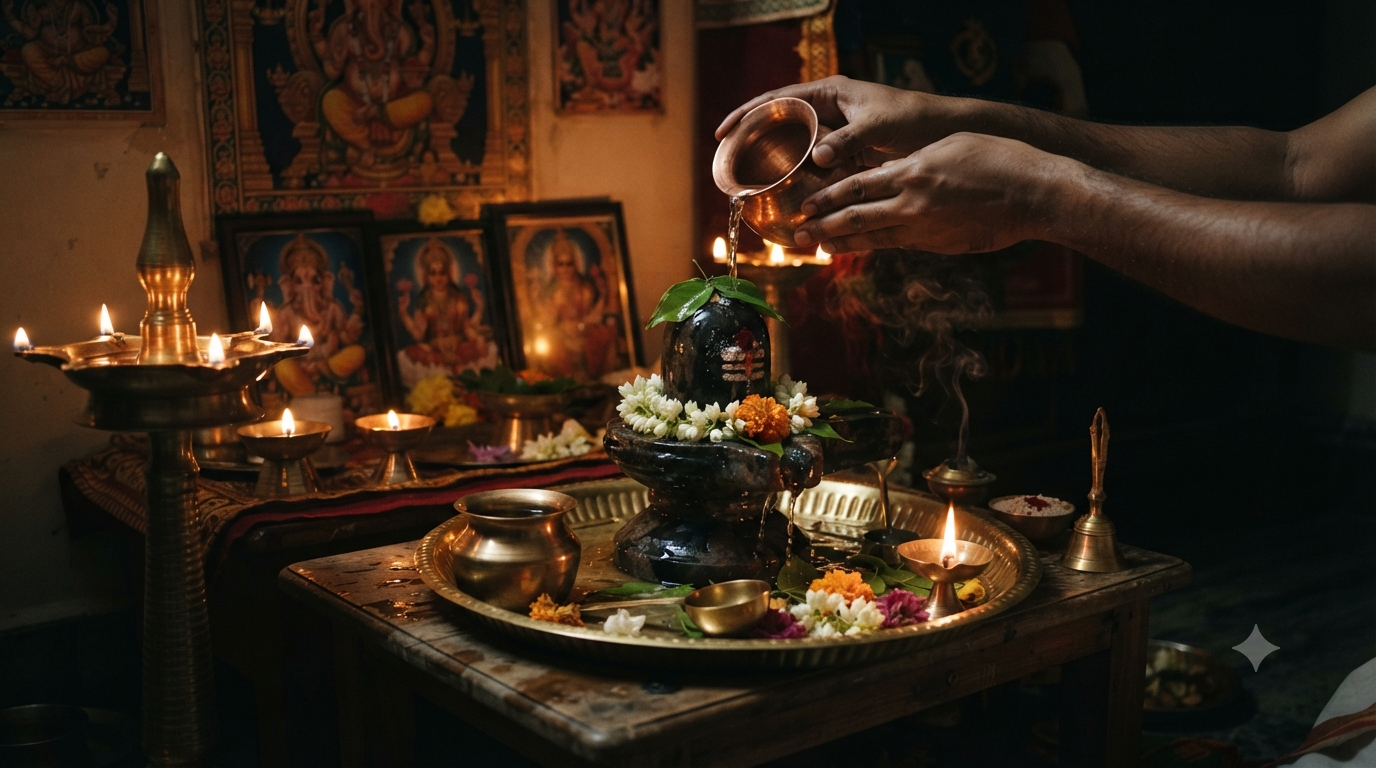
Masa Sivaratri pooja vidhanam is the monthly pattern of Shiva worship observed on Krishna Paksha Chaturdashi, the waning-moon fourteenth tithi. The observance gives devotees a recurring night for fasting, mantra, abhishekam and inward prayer, instead of limiting Shiva vratam to Maha Sivaratri once a year.
Sri Vyasa Pooja is an independent devotional guide. We are not a temple, mutt or religious authority, and we do not accept pooja bookings, donations or payments. For tithi and local timing, confirm your city in a reliable panchangam before starting the vratam.
Masa Sivaratri Pooja Vidhanam at a Glance
- When: Krishna Paksha Chaturdashi in each lunar month.
- Main deity: Lord Shiva, usually worshipped as the Shiva Linga.
- Core practice: sankalpam, fasting according to health, abhishekam, bilva leaves, mantra and night worship.
- Common mantra: Om Namah Shivaya, the Panchakshari mantra.
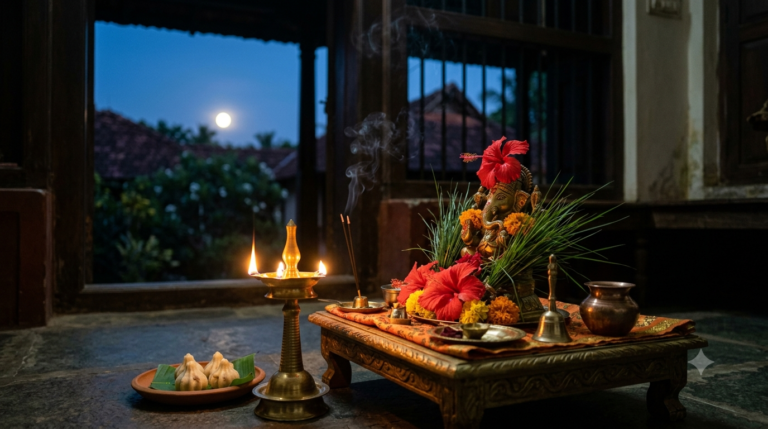
- Main night window: many panchangams highlight Nishita Kala around local midnight.
- Fasting: nirjala, fruit-and-milk, or a lighter sattvic form according to strength and family custom.
- Annual rhythm: usually twelve monthly observances, with an additional one when an adhika masa creates an extra lunar month.
The most useful way to understand Masa Sivaratri is as a monthly discipline. Maha Sivaratri is the great annual observance, while the monthly vrat keeps the same devotional direction alive throughout the year.
What Masa Sivaratri Means
Masa means month, while Sivaratri means the night of Shiva. Each lunar month contains a Krishna Paksha, or waning fortnight, and its Chaturdashi night becomes Masik Shivratri or Masa Sivaratri.
South Indian Amanta calendars and North Indian Purnimanta calendars can attach different month names to the same night. That difference does not automatically mean the observance date is different. Drik Panchang notes that both calendar schools celebrate Maha Sivaratri on the same civil date even though the lunar month name differs.
The Masa Sivaratri pooja vidhanam matters because Hindu vrata practice often works through repetition. A vow that returns every month can build steadiness in worship, food discipline, mantra and self-observation in a way that a single annual festival cannot.
Why Masa Sivaratri Pooja Vidhanam Is Significant
The significance of Masa Sivaratri is devotional rather than transactional. It gives a devotee one recurring night to reduce ordinary distractions and turn attention toward Shiva through fasting, japa, abhishekam and vigil.
Traditional texts and temple teaching connect Shivaratri with night worship, restraint and remembrance of Shiva. A Hindu Temple Society of North America publication also notes that the Skanda Purana describes several forms of Shivaratri, including a monthly form. That distinction supports the idea that the monthly vrata has its own place beside the better-known annual Maha Sivaratri.
Devotees often pray for peace, family harmony, clarity, a suitable marriage, or relief from obstacles. These are matters of faith and family tradition, not guaranteed outcomes. The strongest practical value is the discipline itself, because the vrat asks you to pause, simplify and repeat a devotional practice every month.
Upcoming Masa Sivaratri Dates to Plan Around
The next observance after this refresh is Wednesday, 9 September 2026. The following near-term dates are 8 October, 7 November and 7 December 2026. Maha Sivaratri then falls on Saturday, 6 March 2027. These dates agree across current panchang sources, although local pooja windows still vary by city.
| Date | Day | Planning note |
|---|---|---|
| 9 September 2026 | Wednesday | Next monthly Sivaratri after this refresh |
| 8 October 2026 | Thursday | Check local Nishita Kala |
| 7 November 2026 | Saturday | Check local Nishita Kala |
| 7 December 2026 | Monday | Falls during the Kartika/Margashirsha naming transition by calendar school |
| 6 March 2027 | Saturday | Maha Sivaratri |
For later 2027 dates, keep the Masa Sivaratri pooja vidhanam tied to a live city-specific panchang instead of copying a static list. Late-December 2027 is a good example, because current panchang pages can label the observance as 25 or 26 December depending on location and day-reckoning. A date range with a city check is safer than a universal claim.
Masa Sivaratri Pooja Vidhanam and Nishita Kala Timing
Nishita Kala is the midnight portion of the night used for Shiva worship in many panchang traditions. It is not simply 12:00 AM on your phone. Panchang calculations use local sunset, sunrise and place, so the window shifts between Hyderabad, Chennai, Delhi and Kolkata.
That is why one all-India timing should never be copied into a Masa Sivaratri article. Set your own city on a live panchang and read the Nishita Kala for that date. If your family tradition follows a different night sequence, follow that tradition while keeping the correct tithi.
Drik Panchang is a useful reference for city-wise dates and timings. You can also compare another panchang when the tithi sits near a civil-date boundary, because that is where one-day differences are most likely to appear.
Masa Sivaratri Pooja Vidhanam: Simple Home Sequence
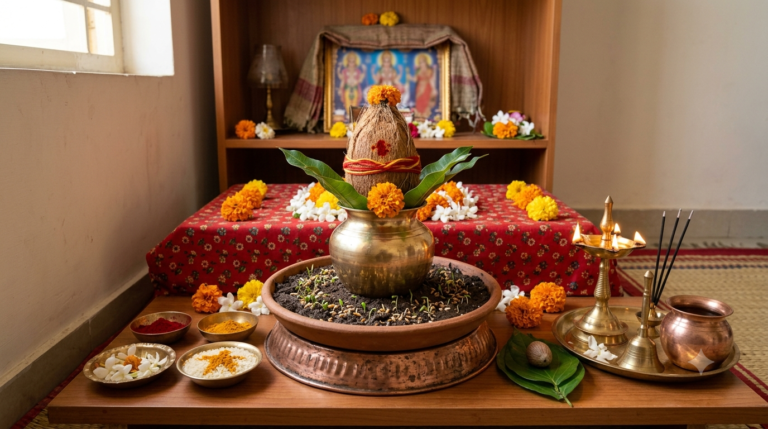
The Masa Sivaratri pooja vidhanam can stay simple at home. You do not need an elaborate homam or a paid ritual package. A clean pooja space, water, a lamp, bilva leaves and sincere mantra practice are enough for a basic observance.
- Prepare in the morning. Bathe, clean the pooja space and decide what level of fasting your health allows.
- Take sankalpam. State your intention to observe the monthly Shiva vrat with steadiness and devotion.
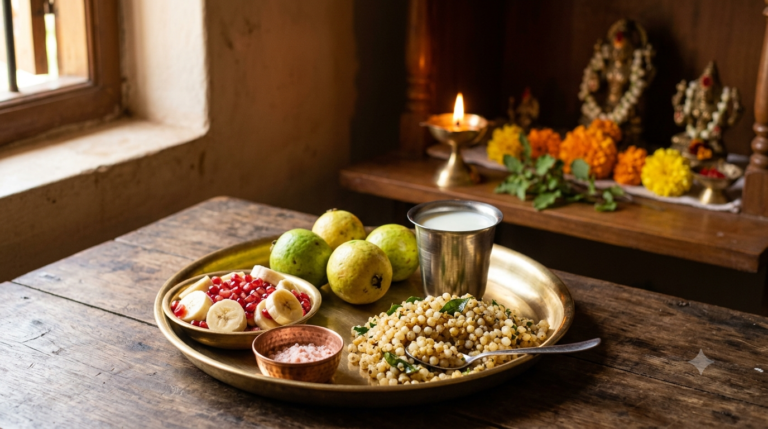
- Arrange the night offerings. Keep clean water, bilva leaves, a lamp, incense, fruit and any family-approved abhishekam items ready.
- Begin Shiva worship. Light the lamp and chant Om Namah Shivaya while focusing on the Shiva Linga or an image of Shiva.
- Perform abhishekam. Plain water is sufficient. Families may also use milk or panchamrita according to custom, followed by clean water.
- Offer bilva leaves. Place fresh leaves with respect while continuing mantra or Shiva Ashtottara.
- Complete naivedyam and harati. Offer fruit or a simple sattvic preparation, then perform the closing lamp worship.
- Keep jagarana if suitable. Chant, read Shiva stotras or sit quietly in prayer if your health and schedule allow.
- Break the fast the next morning. Follow your local panchang or family rule for parana rather than using a copied national timing.
If you want a fuller annual-night procedure, see the site’s Maha Sivaratri pooja vidhi. The annual observance often includes a more elaborate four-prahara sequence.
Does Masa Sivaratri Require Four Praharas?
No single answer fits every tradition. Some monthly guides emphasise one main Nishita Kala puja, while others describe a longer jagarana and worship through the night. Current panchang and devotional sources show both patterns, so the safer guidance is to follow your family or sampradaya rather than calling one form universally wrong.
The four-prahara structure is especially prominent on Maha Sivaratri. However, a devotee who extends monthly worship through more of the night is not automatically outside tradition. The key correction is to avoid turning one household practice into a rule for everyone.
If you can manage only one focused worship period, Nishita Kala offers a practical anchor. If you cannot stay awake that late, keep the vrat sincerely and worship at a time your health permits.
Masa Sivaratri Pooja Vidhanam: What to Keep Ready
- Clean water for jalabhishekam.
- Fresh bilva leaves where available.
- A ghee or oil lamp and cotton wick.
- Incense or dhoopa.
- Fruit or another simple sattvic naivedyam.
- Milk, curd, ghee, honey and sugar only if your household uses panchamrita.
- Vibhuti and sandal paste according to family custom.
- A clean vessel or tray to collect abhishekam water.
Offerings vary across regions, so avoid rigid internet lists that label every local custom as mandatory. Bilva leaves and water remain the simplest widely recognised Shiva offerings, while additional flowers and substances differ by household and temple.
Masa Sivaratri Pooja Vidhanam and Fasting Safety
The Masa Sivaratri pooja vidhanam does not require everyone to keep the harshest possible fast. Some devotees keep nirjala, while many take fruit, milk or one light sattvic meal. Choose the form that you can complete safely and without disrupting prescribed medicines.
A waterless fast and an all-night vigil can stress the body. That matters especially for people with diabetes, kidney disease, ulcers, low blood pressure, pregnancy, advanced age or recovery from illness. Speak with a qualified doctor before attempting a strict fast if you have a medical risk.
Do not drive when exhausted after a night vigil. If your body needs rest, shorten the jagarana and keep the devotional part simple. A vrat should not become a reason to ignore medical advice or basic safety.
Masa Sivaratri, Maha Sivaratri and Pradosham Compared
| Observance | How often | Main emphasis |
|---|---|---|
| Masa Sivaratri | Monthly | Krishna Paksha Chaturdashi night, fasting and Shiva worship |
| Maha Sivaratri | Yearly | The major annual Shivaratri with extended night worship |
| Pradosham | Twice monthly | Trayodashi twilight worship of Shiva and Nandi |
These observances are related, but they are not interchangeable. If you want a shorter recurring Shiva practice, Pradosha Pooja centres on twilight. Masa Sivaratri asks for the following Chaturdashi night instead.
During Kartika, many Telugu households also add Monday Shiva worship. The site’s Karthika Somavaram vratam guide explains that separate weekly rhythm.
Masa Sivaratri Pooja Vidhanam: Common Mistakes to Avoid
- Using one national timing. Nishita Kala changes by location, so a Delhi time is not automatically correct for Andhra Pradesh or Tamil Nadu.
- Copying an old annual calendar. Lunar dates move, and adhika masa years make copied lists especially risky.
- Treating month names as a contradiction. Amanta and Purnimanta calendars can name the same night differently.
- Calling one ritual pattern universal. Monthly one-puja and extended-night traditions both exist, so family custom matters.
- Promising guaranteed benefits. Marriage, prosperity and obstacle-removal claims belong to faith tradition, not measurable guarantees.
The best guide separates what the calendar can verify from what devotion teaches through tradition. That distinction protects both accuracy and the reader’s faith.
What If You Miss a Month?
Do not panic if illness, travel, work or family duties make one observance impossible. Many devotees simply resume from the next monthly Sivaratri. Specific sampradayas may have their own advice, so follow your family priest if you have taken a formal vow with special conditions.
You can still keep a simple Shiva practice that day if circumstances allow. Chant Om Namah Shivaya, offer water at home, or visit a nearby Shiva temple without forcing a difficult fast. The point is steady devotion, not anxiety about an internet checklist.
Before You Begin the Monthly Vrat
Confirm three things before every observance. First, verify the Chaturdashi date for your city. Second, note the local Nishita Kala or the night window followed in your family. Third, decide a fasting level that respects your health.
For city-wise calendar checks, use the Drik Panchang Masik Shivaratri calendar. For a scriptural overview of Shivaratri vrata traditions, the Hindu Temple Society of North America Shivaratri publication provides useful context.
The Masa Sivaratri pooja vidhanam works best when it becomes sustainable. Keep the ritual simple enough to repeat, because consistency is what turns one sacred night into a year-long devotional rhythm.
Masa Sivaratri Pooja Vidhanam: Frequently Asked Questions
Is Masa Sivaratri the Same as Maha Sivaratri?
No. Masa Sivaratri occurs every lunar month on Krishna Paksha Chaturdashi, while Maha Sivaratri is the major annual observance. The monthly practice keeps Shiva worship recurring through the year, while the annual night usually receives the more elaborate vigil and four-prahara emphasis.
What Is the Correct Masa Sivaratri Pooja Time?
Many panchang traditions use Nishita Kala around true local midnight for the main Shiva worship. The exact clock time changes by city, so check a live panchang set to your location. Do not copy one national timing from a social-media image.
Can I Observe Masa Sivaratri Without Fasting Completely?
Yes. Many devotees choose fruit, milk or a light sattvic form instead of nirjala fasting. Health comes first, so use a gentler vrat if you take medicines or have a condition that makes strict fasting unsafe.
Do I Need a Priest for Masa Sivaratri Pooja Vidhanam?
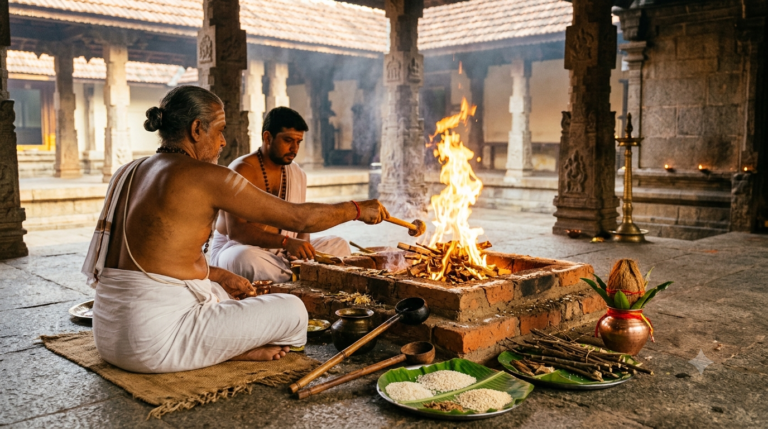
No priest is required for a simple home observance. You can light a lamp, offer water and bilva leaves, chant Om Namah Shivaya and complete a short harati yourself. A priest is optional for families wanting a more elaborate Vedic ritual.
Should I Worship Through All Four Praharas Every Month?
Not necessarily. Four-prahara worship is strongly associated with Maha Sivaratri, while monthly customs vary. Some devotees keep one main Nishita puja, and others extend worship through more of the night according to family tradition.
Why Do Different Calendars Show Different Lunar Month Names?
Amanta and Purnimanta systems end the lunar month at different points. Therefore, the same Krishna Paksha Chaturdashi can carry different month names in South and North Indian calendars. The civil observance date can still be the same.
Can Women Observe the Monthly Shiva Vrat?
Yes, women widely observe Shiva vratas in many Hindu households. Traditions around fasting and ritual rest differ by family, so follow the practice you normally observe at home. Claims about marriage or household harmony should be understood as matters of faith.
What Should I Do If I Miss Masa Sivaratri?
Resume with the next monthly observance unless your formal vow has a specific rule. If you cannot fast or stay awake, keep a short Shiva prayer instead. A missed month need not turn into fear or unsafe fasting.