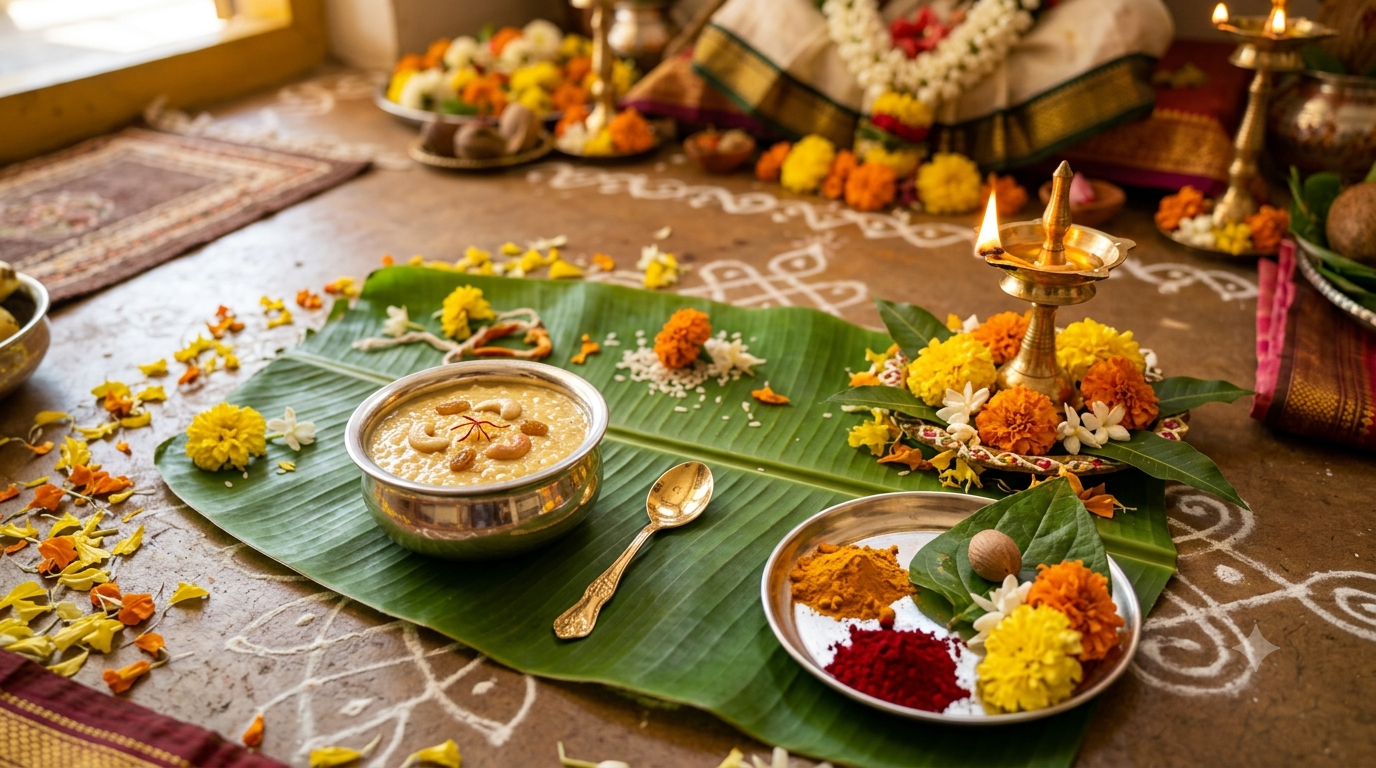
The significance of Annaprasanam lies in a single tender moment: the first time a baby tastes solid food beyond mother’s milk. This Hindu rite of passage, also called the rice-feeding ceremony, turns a small spoon of sweet payasam into a prayer for the child’s health, speech, and long life. Families across India wait eagerly for this milestone because it marks a baby’s first real step into the world of nourishment. So this guide explains what the ceremony truly means, when families hold it, how it unfolds, and the common mistakes worth avoiding.
Sri Vyasa Pooja is an independent devotional guide. We are not affiliated with any temple, mutt, or trust, and we do not perform ceremonies or accept bookings. For an actual ceremony, please consult a qualified purohit or the official temple portal linked below.
The Significance of Annaprasanam at a Glance
- What it is: a baby’s first feeding of solid food, usually sweet rice payasam.
- Sanskrit meaning: “anna” means cooked rice, and “prashana” means feeding.
- Usual age: around six months, when teeth begin to appear.
- Timing rule: even months for boys, odd months for girls, as a purohit advises.
- Main food: payasam or kheer made with rice, milk, ghee, and a touch of honey.
- Place in tradition: one of the sixteen Shodasha Samskaras of Hindu life.
What Is Annaprasanam?
Annaprasanam is the Hindu ceremony that marks a baby’s first intake of solid food other than milk. The word joins two Sanskrit roots, “anna” for cooked rice and “prashana” for feeding, so the name itself means the eating of cooked rice. Because it counts as one of the sixteen samskaras, or life-cycle rituals, it holds a fixed and honoured place in a child’s journey.
The ceremony is old, yet it still thrives in almost every Hindu family. Ancient texts such as the Ashvalayana Grihyasutra explain how and when to perform the rite. The significance of Annaprasanam becomes clear once you see how carefully these scriptures treat a baby’s very first grain. In Telugu-speaking homes people simply say Annaprasana, while the same event carries different names across the country.
The Significance of Annaprasanam in Hindu Tradition
The significance of Annaprasanam runs far deeper than a change of diet. Hindu thought treats food as sacred, almost divine, so a baby’s first grain becomes a spiritual event rather than a mere meal. During the ceremony the family prays for good digestive fire, clear speech, sharp intellect, and a long, healthy life for the child.
Elders choose grain for a reason, because they see rice as a life-sustaining and pure food. When the first morsel touches the baby’s tongue, the family welcomes the child into the shared table of the household and community. The ritual also invites the grace of Goddess Annapurna, the deity of food and abundance, along with Lord Vishnu and the family deity.
This is why parents treat the day with such care and devotion. The prayers celebrate far more than the food itself; they express hope, gratitude, and love for a new life just beginning to grow.
Why the Significance of Annaprasanam Still Matters Today
Even in busy modern households, the significance of Annaprasanam continues to bind generations together. Grandparents, uncles, and aunts gather to bless the baby, so the ritual quietly strengthens family bonds. While the world around us changes fast, this gentle rite reminds everyone that a child’s growth is a shared joy, not a private one.
The Significance of Annaprasanam: When Is It Performed?
Families usually hold Annaprasanam when the baby is about six months old, since that is when most infants grow ready for solid food. Tradition places the ceremony in even months for boys, such as the sixth or eighth month, and in odd months for girls, such as the fifth or seventh. Most families avoid the rite before four months or after the first birthday.
A purohit chooses the exact day and time, or muhurtam, after studying the baby’s birth star and the panchangam. Because the auspicious window shifts every year, families cannot simply copy dates from a generic online list. Instead, parents should ask a trusted priest to fix the muhurtam for their own child.
This timing is not random. It roughly matches the age when a baby’s body naturally turns toward solid food, which the next section explains.
Rituals and Procedure of Annaprasanam
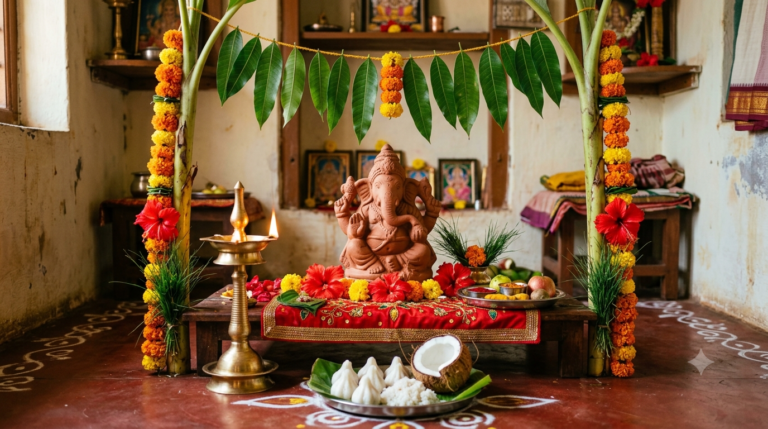
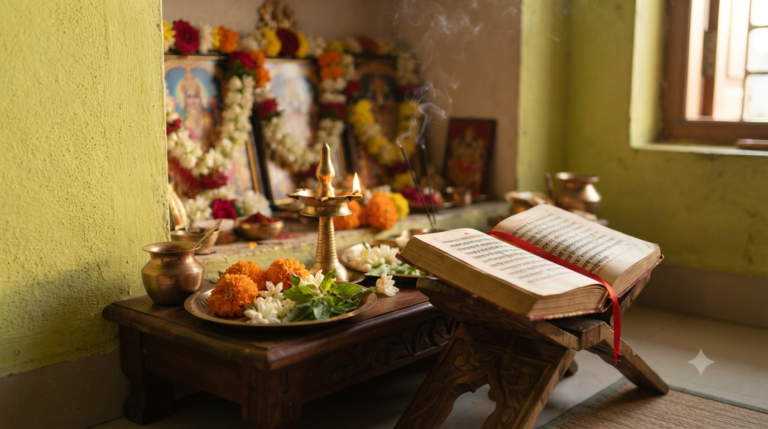
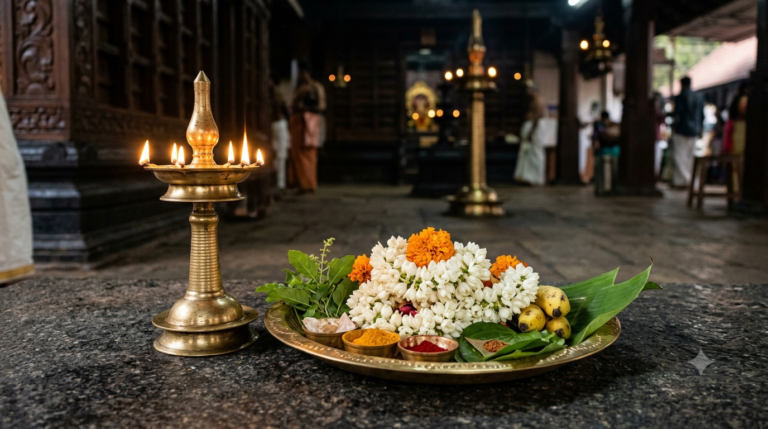
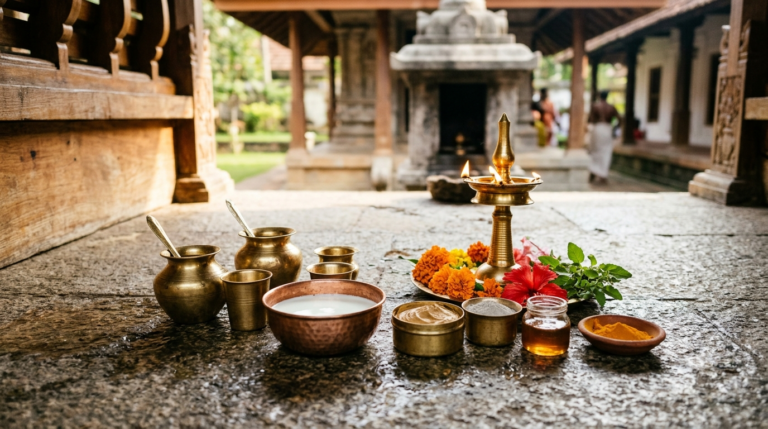
The ceremony begins with a fresh bath for the baby, who then wears new traditional clothes, often silk. The family seats the child on a parent’s lap or on a clean banana leaf, while the purohit starts the puja. First they worship Lord Ganesha to remove obstacles, and then they invoke Annapurna, Vishnu, and the kuladevata.
The purohit often lights a small homam, or sacred fire, and chants Vedic mantras for the child’s wellbeing. After the prayers, the most awaited moment arrives: the first feeding of solid food.
The First Morsel of Payasam
The father, grandfather, or maternal uncle usually gives the baby the very first taste. He offers a little sweet payasam, sometimes with a small gold ring or spoon dipped in the food. Families favour gold because they consider it pure and auspicious, and elders believe it brings good fortune. The baby need only taste the food, so the quantity always stays tiny and gentle.
The Item-Choosing Game
Many families add a playful and much-loved custom after the feeding. Elders place several objects before the baby, such as a book, a pen, a coin, some soil, and food. Whatever the child reaches for first becomes a light-hearted hint about future interests, so a book may suggest learning and a coin may suggest wealth. This stays a joyful game, of course, and never a serious prediction.
What Food Is Offered During the Ceremony?
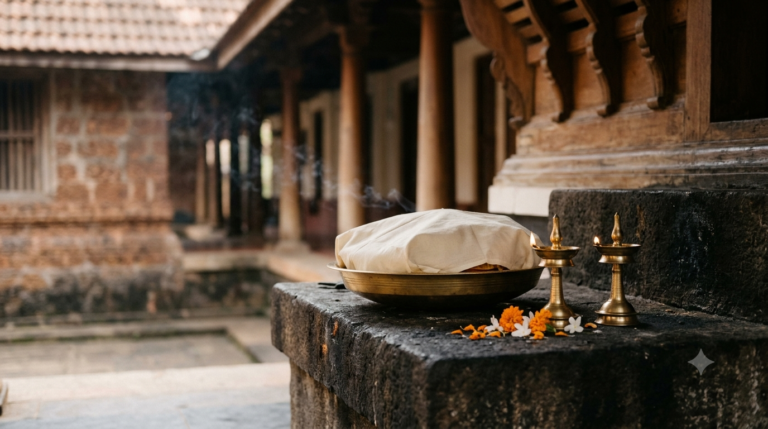
The heart of the ceremony is payasam, the sweet rice pudding also known as kheer. Families cook it with rice, milk, ghee, and a small amount of sugar or honey, so it stays soft and easy to swallow. Some homes instead offer ghee rice or a mild dal rice, since these also sit gently on a baby’s stomach.
The family first offers the food to the deity as prasadam before the baby tastes it. Because the meal must suit a young infant, they keep it plain, warm, and lightly sweet rather than spiced.
Regional Names and Variations
Although the core meaning stays the same, the rice-feeding ceremony wears many names across India and Nepal. West Bengal celebrates the grand Mukhe Bhaat, where the maternal uncle often feeds the child. Kerala calls it Choroonu, and families there frequently hold it inside a temple.
Further north, Himachal and Garhwal families know it as Bhaatkhulai, while Nepal celebrates it as Pasni. Telugu, Tamil, and Kannada homes keep it close to its Sanskrit root as Annaprasana or Annaprasanam. Each region adds its own dishes and small rituals, yet all of them honour the same first grain, as encyclopedic records of the Annaprashana rite also document.
These shared threads show how one ancient rite unites very different communities. Whatever the local name, the wish behind it stays identical: a healthy, happy, well-fed child.
The Significance of Annaprasanam and Modern Science
Interestingly, the significance of Annaprasanam sits comfortably beside modern pediatric advice. The World Health Organization recommends exclusive breastfeeding for the first six months, followed by the gradual introduction of solid foods while breastfeeding continues. Because the traditional ceremony also falls around six months, the ancient timing and today’s science point to the same window.
By this age a baby’s digestion and mouth movements mature enough to handle soft solids. So the old sages who fixed this stage were, in their own way, reading the child’s natural readiness. This harmony between faith and science partly explains why the ritual has survived for so long.
A gentle safety note: the ceremony is a blessing, not a medical treatment. Always follow your pediatrician’s advice on when and what to feed your baby, watch closely for choking and food allergies, and never treat any ritual as a substitute for professional care.
Myths About the Significance of Annaprasanam to Avoid
A lot of wrong information circulates online, so a few corrections matter. Part of the real significance of Annaprasanam is knowing what belongs to faith and what belongs to a baby’s health. First, no family should deny a baby nutrition just to “wait” for the ceremony; if a doctor advises solids, feed the child and hold the ritual whenever convenient.
Second, stay careful with websites that claim to sell a fixed “auspicious date” or take online booking for your ceremony. A genuine muhurtam suits your child alone and should come from a real purohit. Third, ignore any page that poses as an official temple booking channel unless you can confirm it directly on the temple’s own portal.
Finally, do not stress about a grand, expensive event. A simple, sincere ceremony at home carries the same blessing as a lavish one.
Where Families Perform Annaprasanam
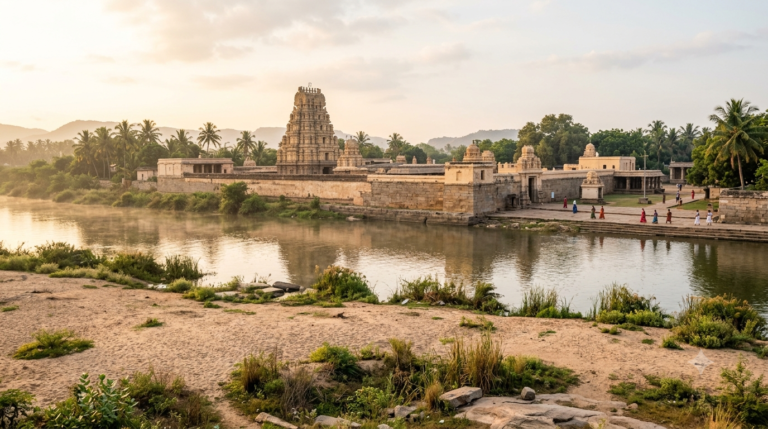
Many families hold the ceremony at home with a purohit, which keeps it warm and personal. Others prefer a temple, especially a shrine linked to food and nourishment. The Horanadu Annapoorneshwari Temple in Karnataka stands out as a popular choice, since its deity is the goddess of food.
At Tirumala, the Purohit Sangam of the Tirumala Tirupati Devasthanams (TTD) also performs samskaras like Annaprasanam for a nominal fee. Because rates and procedures change, always confirm current details on the official TTD portal before you travel. Whichever route you choose, the ceremony belongs to your family, and you never need a middleman.
Annaprasanam also sits within a larger sequence of childhood rites. It usually follows the Namakaranam (Barasala) naming ceremony and comes years before the Upanayanam sacred-thread ceremony.
The Lasting Significance of Annaprasanam
The significance of Annaprasanam works best as a bridge between love, tradition, and a baby’s healthy growth. Keep the ritual simple, fix the muhurtam through a real purohit, and let your pediatrician guide the actual feeding. Above all, treat the day as a joyful family blessing rather than a rigid rulebook. Do that, and your child’s first taste of rice becomes a memory the whole family will treasure.
Frequently Asked Questions
What is the significance of Annaprasanam?
The significance of Annaprasanam is that it welcomes a baby into the world of solid food with prayers for health, speech, and long life. It treats the first grain as sacred nourishment. It also stands as one of the sixteen samskaras of Hindu life.
What is the right age for Annaprasanam?
Families usually perform Annaprasanam at around six months of age, when a baby grows ready for solid food. Boys often have it in even months and girls in odd months. Most families avoid it before four months or after the first birthday.
What food do families give first during Annaprasanam?
Sweet rice payasam, also called kheer, serves as the traditional first food. Cooks make it soft with rice, milk, ghee, and a little honey or sugar. Some families instead use ghee rice or a mild dal rice.
Who feeds the baby the first morsel?
Usually the father, grandfather, or maternal uncle offers the first taste. In many regions the maternal uncle plays a special role. He often uses a small gold ring or spoon to give the food.
Is Annaprasanam performed differently across India?
Yes, the same rite carries different names and small variations. People call it Mukhe Bhaat in Bengal, Choroonu in Kerala, Bhaatkhulai in the hills, and Pasni in Nepal. The core meaning of feeding the first grain stays the same everywhere.
Can I feed my baby solids before the ceremony?
Yes, always follow your pediatrician’s advice on feeding. If your doctor recommends starting solids, do so, and hold the ceremony whenever it suits your family. The ritual is a blessing and should never delay proper nutrition.
How do I choose the date for Annaprasanam?
A purohit fixes the muhurtam using your baby’s birth star and the panchangam. Because the auspicious time suits each child personally, avoid copying dates from generic online lists. Ask a trusted priest to select the timing for you.
Can Annaprasanam be done at a temple?
Yes, many families perform it at temples linked to food and nourishment. Shrines of Goddess Annapurna rank among the popular choices for this rite. Confirm the ceremony process directly on the temple’s official portal before visiting.